

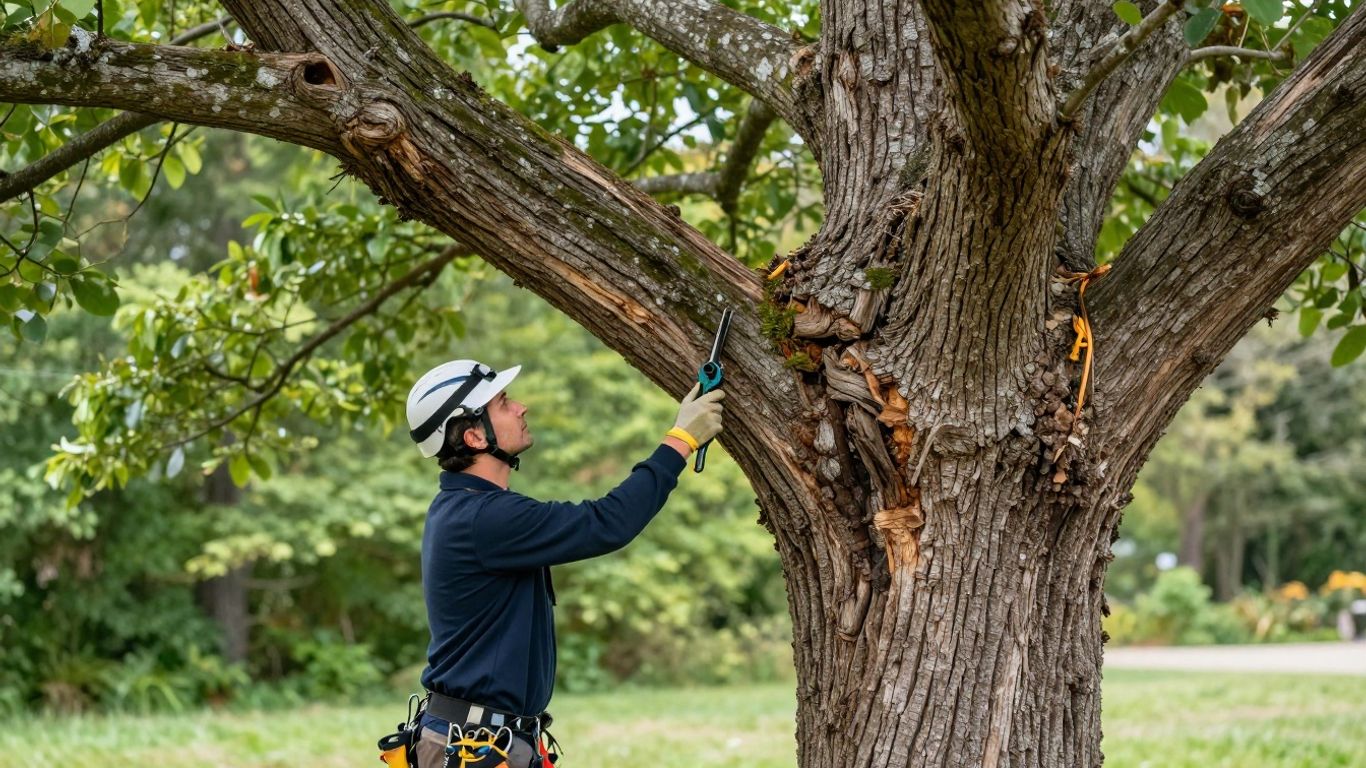
Trees are pretty amazing, right? They give us shade, make our yards look nice, and generally just make the world a bit greener. But sometimes, trees run into problems, just like anything else. You might notice something looks a little off, but you’re not sure if it’s a big deal or just a minor thing. That’s where an arborist comes in. These are the doctor of trees, and knowing when to call them can save you a lot of headaches and maybe even save your tree.
Key Takeaways
- If your tree is showing signs of sickness, like weird spots on leaves or bugs, it’s a good idea to get an arborist to check it out.
- Branches that are dead, broken, or look weak are a clear signal that a professional should take a look, especially if they’re over something important.
- A tree that’s leaning more than usual or looks like it’s coming out of the ground needs an arborist’s opinion right away.
- Seeing mushrooms or other fungi growing on your tree often means there’s rot inside, which an arborist can assess.
- After a big storm, it’s smart to have an arborist check for any damage that might not be obvious at first glance.
What Exactly Does an Arborist Do?
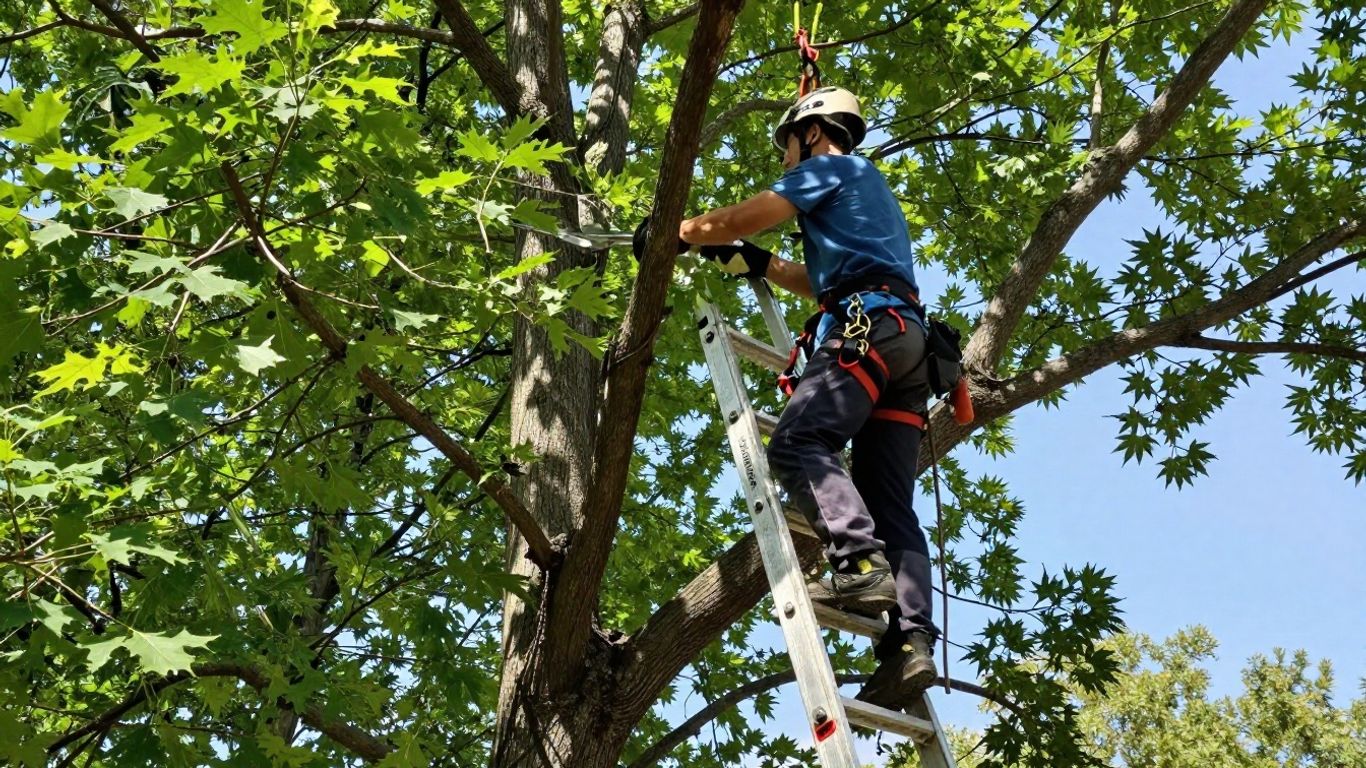
So, what exactly is an arborist, and why might you need one? Think of them as tree doctors, but with a lot more specialized knowledge. They’re trained professionals who focus on the health and care of individual trees. It’s not just about chopping branches or making things look tidy, though that can be part of it. Arborists understand the science behind trees – how they grow, what makes them sick, and how to keep them strong and healthy for years to come.
Their work involves a range of tasks, including:
- Diagnosing and treating tree diseases and pest infestations.
- Performing specialized pruning to improve tree structure, health, and safety.
- Assessing tree risk and recommending solutions to mitigate hazards.
- Providing advice on proper tree planting and site selection.
- Managing soil health and nutrient deficiencies.
Essentially, if you have a tree that looks a bit off, is showing signs of stress, or is posing a potential risk, an arborist is the person to call. They have the know-how to figure out what’s going on and what needs to be done. They can also help with preventative care, stopping problems before they even start. It’s about keeping your trees looking good and, more importantly, keeping them safe and alive.
An arborist’s job goes beyond simple tree trimming. They are trained to understand the complex biological systems of trees, much like a doctor understands the human body. This allows them to identify subtle issues that might be missed by the untrained eye and to implement targeted treatments for long-term tree vitality.
They can help with everything from identifying strange spots on leaves to figuring out why a tree might be leaning precariously. They also know the best ways to prune trees, which isn’t always as simple as it looks. Over-pruning can actually harm a tree, so having someone who knows the right techniques is pretty important. If you’re planning any landscaping changes that might affect your trees, they can offer guidance on how to do it without causing damage. They’re really the go-to experts for anything tree-related, especially when it comes to tree health.
7 Key Signs You Need Professional Tree Services
Trees are great, right? They make your yard look nice and give you shade. But sometimes, they get sick or hurt, and that’s when things can get a little tricky. You might not even realize there’s a problem until it’s pretty serious. Paying attention to these signs can help you catch issues early before they become big headaches.
Here are some common signs of unhealthy trees that should make you think about calling in a pro:
1. Visible Signs of Disease or Infestation
Look for things like leaves that are suddenly changing color, wilting, or have weird spots. Sometimes you’ll see sticky stuff on the bark or even small holes that look like they were made by bugs. If you notice a lot of woodpecker activity, that can also mean insects are hiding inside the tree that they’re trying to get to. These are all signs that your tree isn’t feeling its best and might need some help.
2. Dead, Damaged, or Weak Branches
This one’s usually pretty obvious. Are there branches that look brittle, have no leaves when they should, or are just hanging there loosely? Sometimes a branch might even break off and get stuck in the tree. These dead or weak limbs aren’t just ugly; they can fall unexpectedly, which is a real danger if they’re over a walkway, your car, or your house. It’s especially concerning if a large part of the tree seems to have died off.
3. Leaning or Uprooting Trees
If a tree suddenly starts leaning to one side, or if you notice the ground around its base is disturbed, it could mean the roots are damaged or the tree is starting to uproot. This is a big deal, especially after a big storm. A tree that’s leaning more than a little bit might not be stable and could fall.
Sometimes, a tree might look fine from the top, but the real problem is happening underground with the roots. Exposed roots or roots that are circling the trunk can also be a sign of trouble.
4. Unusual Fungi or Mold Growth
Seeing mushrooms or other types of fungi growing on the trunk or at the base of your tree is often a sign of decay inside. While not all fungi are bad for trees, a lot of growth can mean the tree is already rotting from the inside out and might not be structurally sound anymore.
5. Cracks or Splits in the Trunk or Branches
Small cracks can happen as trees age, but deep splits or large cracks, especially those running vertically down the trunk or near where branches join, are serious. These are weak points that could lead to the tree breaking apart, particularly during bad weather.
6. Proximity to Structures or High-Traffic Areas
Even a healthy tree can become a problem if it’s too close to your house, power lines, or busy areas. If branches are growing over power lines, that’s a fire hazard. If a tree is leaning towards your house or a neighbor’s, or if its roots are getting close to foundations, it’s worth getting a professional opinion on whether it needs to be trimmed or removed.
7. Trees That Have Experienced Storm Damage
After a big storm, it’s a good idea to check your trees. Even if nothing seems to have fallen, the wind and rain can cause hidden damage, like cracks or weakened branches. An arborist can assess the extent of the damage and tell you if the tree needs special care or if it’s too risky to leave standing.
Why Hiring a Certified Arborist Matters
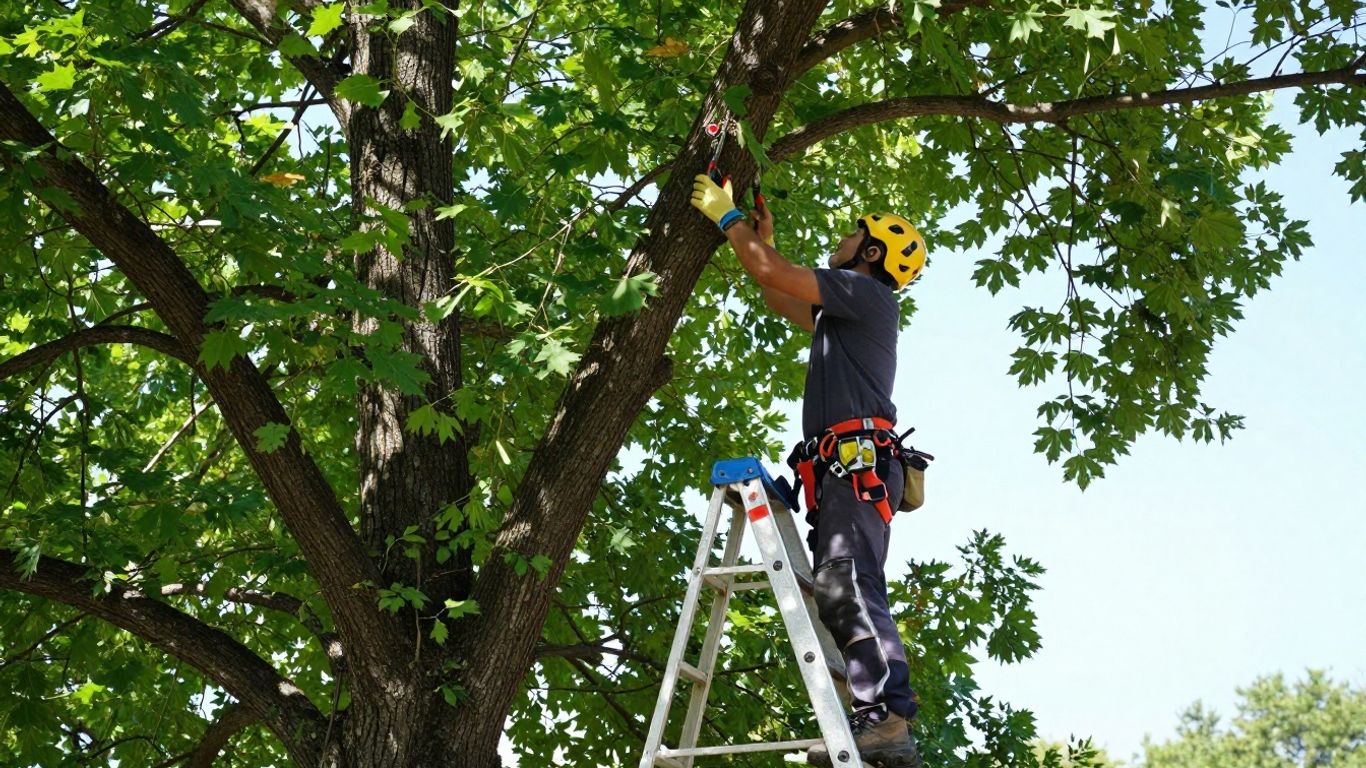
So, you’ve noticed some of those tree troubles we talked about. Maybe a branch looks a bit sad, or you’re seeing some weird spots on the bark. It’s easy to think, ‘I can just grab a ladder and saw this off myself,’ or maybe call up the first tree service you find online. But here’s the thing: trees are complicated. They’re living things, and when they’re not doing so hot, it’s not always obvious why or what to do about it. That’s where hiring a tree doctor, or more accurately, a certified arborist, really makes a difference.
These folks aren’t just tree cutters. They’ve got specialized training and know-how about tree biology, health, and safety. They can spot problems you might miss, like early signs of disease or pests that are just starting to set up shop. They understand how a tree’s structure works and can tell if a lean is just a tree reaching for sun or a sign of serious root trouble. Their knowledge helps prevent small issues from turning into big, expensive disasters.
When you bring in a certified arborist, you’re getting someone who can:
- Accurately diagnose what’s ailing your tree, whether it’s a pest, disease, or environmental stress.
- Recommend the right treatment, which might be anything from special pruning to soil amendments or even structural support like cabling.
- Assess the risk a tree poses to your home, family, or property, especially after storms or if it’s near structures.
- Provide advice on how to care for your trees long-term, keeping them healthy and looking good.
Sometimes, a tree might look like it’s on its last legs, but a professional can often find a way to save it. They have the tools and the know-how to treat issues that a regular homeowner wouldn’t even know existed. It’s about more than just cutting things down; it’s about preserving the health and safety of your trees and your property.
Think of it like going to a regular doctor versus a specialist. If you have a heart issue, you see a cardiologist, right? For tree issues, especially the tricky ones, a certified arborist is your tree specialist. They can help you figure out if that dying branch needs professional attention or if your tree just needs a bit of TLC. It’s a smart investment in keeping your landscape beautiful and safe.
Common Arborist Services Explained
When you’ve got trees on your property, they need regular attention, just like your lawn or garden. A tree care professional, or arborist, provides a range of tree maintenance services to keep your trees healthy and safe. It’s not just about chopping branches; it’s a whole system of care.
Here are some of the main things an arborist can do for you:
- Pruning: This is more than just trimming. Arborists prune trees to remove dead or diseased branches, improve the tree’s shape, increase light and air circulation, and reduce the risk of branches falling. They know how much to cut and where to cut to help the tree grow better, not just look tidier.
- Pest and Disease Management: Trees can get sick or be attacked by bugs. Arborists can identify what’s wrong, whether it’s a common fungus or a specific insect infestation. They can then recommend and apply treatments, like sprays or injections, to save your tree before the problem gets too bad.
- Fertilization and Soil Care: Sometimes, a tree just needs a boost. Arborists can test your soil and recommend the right kind of fertilizer or soil amendments to give your tree the nutrients it needs to thrive. This is especially important for trees in urban areas where the soil might be compacted or lacking in good stuff.
- Structural Support: If a tree has weak branches or a trunk that’s leaning, it can be a hazard. Arborists can install things like cables and braces to give the tree extra support, preventing it from falling or breaking.
Hiring an arborist means you’re getting someone who understands the science behind tree health. They have the tools and knowledge to diagnose problems you might not even see and provide solutions that actually work for the long term, rather than just a quick fix.
These services help keep your trees looking good and, more importantly, prevent them from becoming a danger to your home or family.
When in Doubt, Call an Arborist
So, you’ve noticed a few things about your trees that seem a little off. Maybe a branch looks a bit too droopy, or perhaps there’s some weird stuff growing on the bark. It’s easy to get worked up, thinking the worst. But hold on a second before you start planning a tree funeral.
It’s often better to get a professional opinion before making any big decisions. That’s where an arborist comes in. They’re the tree doctors, and they know their stuff. They can tell you if that odd spot is just a minor issue or something serious that needs immediate attention.
Here’s a quick rundown of why you shouldn’t hesitate:
- Accurate Diagnosis: They can figure out what’s really going on. Is it a disease, an insect problem, or just a natural part of the tree’s life cycle?
- Safety First: A professional can assess if a tree or its branches pose a risk to your home, your car, or even people walking by.
- Saving Your Trees: Sometimes, a tree just needs a little help, like specific pruning or treatment, to bounce back. An arborist can identify these solutions.
Don’t assume a tree needs to be cut down just because it looks a bit rough. A certified arborist can look at the situation and tell you if there are ways to save it, or if removal is truly the only safe option. They have the knowledge to spot problems you might miss and suggest treatments that can help your tree recover.
If you’re unsure about the health of your trees, or if they’ve been through a rough storm, it’s always a good idea to call a tree expert. They can provide an assessment and give you peace of mind, or a clear plan of action. For instance, if you’re planning any major landscaping changes, consulting with an arborist beforehand can prevent future problems for your trees.
Noticed any of these signs? Don’t ignore them. Whether it’s a hazardous limb or a dying tree, Green Thumb Tree Specialists is Ottawa’s trusted choice for Tree Removal Ottawa homeowners rely on. Get a Free Quote today and let our ISA-Certified Arborists protect your property before it’s too late.
Don’t Wait, Get That Tree Checked Out
So, you’ve gone through the list, and maybe a few of those signs sound a little too familiar. It’s easy to see a weird crack or some dead leaves and think, ‘Eh, it’ll be fine.’ I’ve definitely been there, putting off little things until they become bigger headaches. But with trees, especially the big ones, ignoring the warning signs can turn a small issue into a real problem, and fast. It’s not always about needing to chop the tree down, either. Sometimes, a little professional help, like some smart pruning or maybe some special food for the soil, can make all the difference. Getting an arborist to take a look is like getting a check-up for your tree. They know what they’re looking at and can tell you if it’s just a minor thing or if something more serious is going on, and what to do about it. Better safe than sorry, right?
Frequently Asked Questions
What is an arborist, and what do they do?
An arborist is a tree expert who is trained to care for and manage trees. They check trees for signs of disease, damage, or safety risks, and can recommend the best ways to keep your trees healthy and safe.
How can I tell if my tree is sick or dying?
If your tree has dead branches, missing leaves, or looks weak, it may be sick or dying. Other signs include fungus growing on the trunk, cracks in the bark, or a tree that is leaning a lot. If you see these signs, it’s a good idea to call an arborist.
Why should I hire a certified arborist instead of doing it myself?
Certified arborists have special training and know how to spot problems that most people might miss. They also use the right tools and methods to keep trees and people safe. Doing it yourself can be dangerous and might hurt the tree more.
What services can an arborist provide?
An arborist can trim branches, remove dead or dangerous trees, treat tree diseases, improve soil, and help trees recover after storms. They also give advice on how to keep your trees healthy for the long term.
How often should my trees be checked by an arborist?
Most healthy trees should be checked every few years. If your tree has had problems before or looks unhealthy, it might need to be checked more often. Regular checkups help catch problems early.
Is it always necessary to remove a tree if it looks unhealthy?
Not always. Sometimes, an arborist can save a tree by treating disease, trimming damaged branches, or supporting weak spots. Removal is only needed if the tree is too dangerous or cannot be saved.