

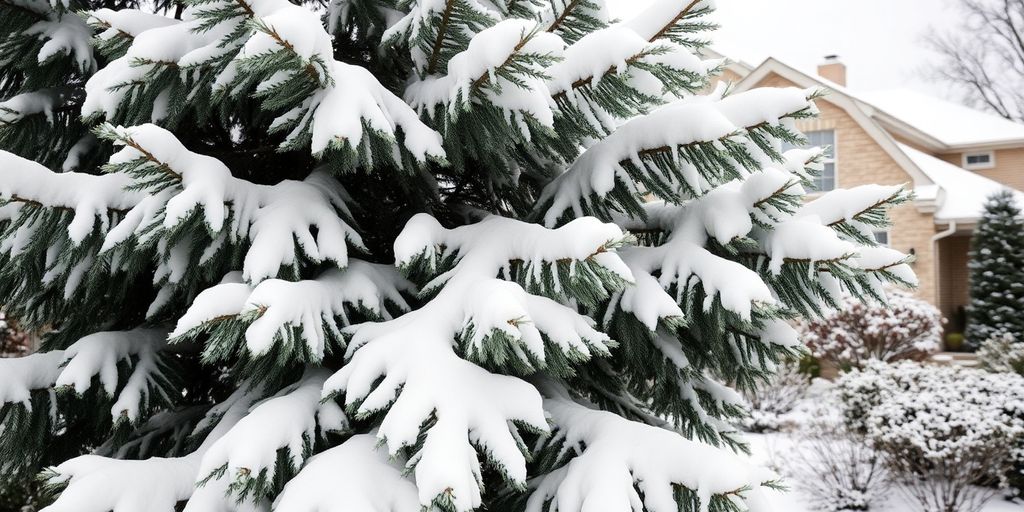
Winter can be really pretty, with all the snow blanketing everything. Snow-covered trees especially look like something out of a postcard. But, as nice as it looks, there’s a hidden side to all that beauty, especially when it comes to the trees on your property. Those heavy layers of snow can create some serious problems, and understanding these risks is important for keeping your home and family safe. Let’s talk about why those beautiful snow-covered trees can sometimes be a real danger.
Key Takeaways
- Snow-covered trees, while pretty, can pose risks due to the weight of snow and ice.
- Trees already weak or damaged are more likely to break under the extra weight.
- Falling branches or whole trees can damage homes, and cars, and even cause power outages.
- Always check trees for issues before winter starts, like dead branches that should be trimmed.
- If heavy snow falls, it’s best to stay clear of trees and let the snow melt naturally if possible.
Understanding the Appeal and Peril of Snow-Covered Trees

The Aesthetic Beauty vs. Underlying Risks
Okay, let’s be real, who doesn’t love the look of trees covered in fresh snow? It’s like something out of a movie, right? But that picture-perfect scene can hide some serious problems. While the snow-covered branches might look magical, they can be a huge threat to your property and even your safety. It’s important to understand that beauty and danger can coexist, especially when it comes to the property safety of winter trees.
It’s easy to get caught up in the beauty of a winter landscape, but ignoring the potential dangers of snow and ice accumulation on trees can lead to costly damage and even injuries. Being aware of the risks is the first step in winter tree damage prevention.
Think about it: all that snow and ice adds a ton of weight. And that weight can cause branches to break, trees to fall, and all sorts of other issues. It’s not just about aesthetics; it’s about being smart and taking precautions. We need to balance our appreciation for the winter wonderland with a healthy dose of awareness about the potential heavy snow tree hazards.
Here’s a quick rundown of what we’re talking about:
- The sheer weight of snow and ice can overwhelm even healthy trees.
- Hidden weaknesses in trees can make them more susceptible to damage.
- Falling branches can damage property and cause injuries.
We’ll get into all of this in more detail, but for now, just remember that those pretty ice-on-trees dangers can be a real headache if you’re not prepared. Taking care of your trees is part of responsible tree care in snowy conditions.
Structural Weakness: The Primary Concern
Weight of Snow and Ice Accumulation
Okay, so picture this: a beautiful, snow-covered tree. Looks great, right? But all that snow? It’s heavy. Heavy. The weight of accumulated snow and ice can put a massive strain on tree branches, far more than they’re used to handling. Think of it like this: each branch is like an arm, and the snow is like weights. Too much weight and something’s gotta give. The density of the snow matters too – wet, heavy snow is way worse than light, fluffy stuff. It’s not just the weight pushing down, but also the ice forming around branches, making them even stiffer and more prone to snapping.
Pre-existing Tree Conditions That Worsen Risk
It’s not just about the snow; the tree’s health plays a huge role. A perfectly healthy tree can usually handle a decent amount of snow. But if the tree already has problems? That snow just makes things worse. Here are a few things to consider:
- Decay: Rotting wood is weaker wood. Snow adds extra stress to these already compromised areas.
- Disease: A sick tree is a weak tree. Diseases can weaken branches and make them more brittle.
- Poor Structure: Trees with weird growth patterns, like really narrow branch angles, are more likely to fail under the weight of snow. Think of a ‘V’ shape versus a ‘U’ shape – the ‘V’ is much weaker. You might want to consider winter tree care to help prevent these issues.
Basically, if a tree is already struggling, winter is going to be a really tough time. It’s like adding insult to injury. A tree that might have limped along through the summer could easily break apart under a load of snow and ice. It’s important to check your trees before winter hits to identify any potential problems.
Potential Damage to Property and People
Damage to Homes, Vehicles, and Outbuildings
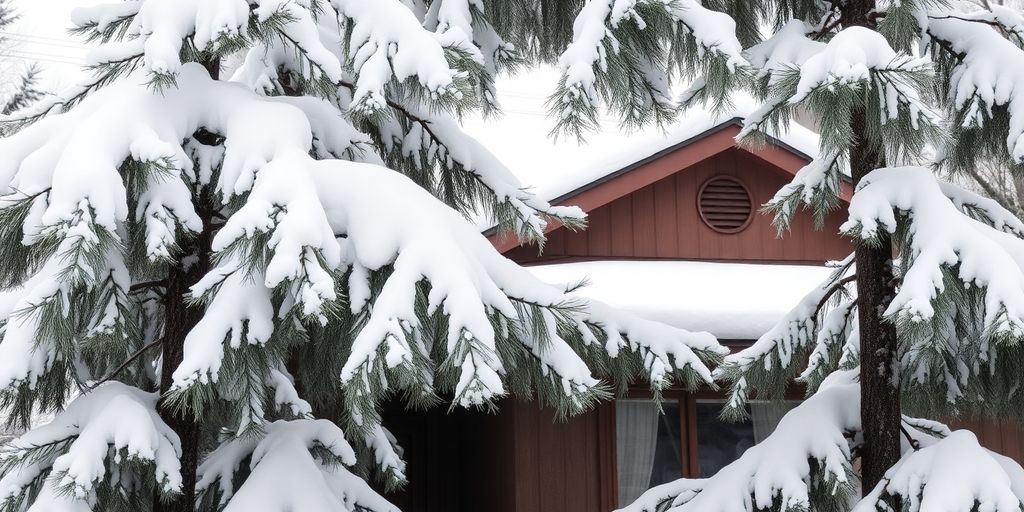
Okay, so you might be thinking, “It’s just snow, how bad can it be?” Well, a lot of damage can happen. Imagine a huge branch, heavy with snow and ice, crashing down onto your car. Not a pretty picture, right? It’s not just cars, either. Falling branches can cause significant damage to roofs, break windows, and generally wreak havoc on anything sitting outside. I’ve seen sheds get completely flattened. It’s a real risk and something to take seriously. Homeowners with trees near pools should also be extra careful, as falling trees can damage pool covers and create a dangerous situation.
- Damaged roofs
- Broken windows
- Flattened sheds
Power Outages and Utility Line Hazards
One of the most annoying and potentially dangerous consequences of snow-laden trees is the risk of power outages. When branches fall, they often take down power lines with them. And let me tell you, losing power in the middle of winter is no fun. It’s not just about being cold and bored; it can be a real safety issue if you rely on electricity for heating. Plus, downed power lines are incredibly dangerous. Always assume a downed line is live and stay far away. Report any fallen trees immediately to your local emergency services.
I remember one winter when a tree took out the power line on my street. We were without electricity for three days! It was freezing, and we had to huddle around the fireplace to stay warm. It made me realize how much we rely on electricity and how vulnerable we are when it’s gone.
Personal Injury Risks
It’s easy to forget that falling branches can cause serious injuries. If you’re walking or driving near trees during or after a snowfall, you’re at risk. Branches can fall with little to no warning, and the impact can be severe. And let’s not forget about the slippery conditions. Winter storms can make sidewalks and roads treacherous, increasing the chance of accidents if a branch falls while you’re nearby. So, be aware of your surroundings and avoid walking under heavily laden trees if possible. It’s better to be safe than sorry. Always prioritize tree health to avoid accidents.
- Head injuries
- Broken bones
- Lacerations
Proactive Measures for Property Owners
Pre-Winter Tree Assessment and Pruning
Okay, so winter’s coming, and you’re probably thinking about cozy nights by the fire, not your trees. But trust me, a little prep now can save you a lot of headaches later. The best time to deal with potential tree problems is before the snow starts piling up.
Think of it like this:
- Inspection: Walk around your property and really look at your trees. Are there any dead or broken branches? Any signs of disease or insect infestation? Weak spots? These are all red flags.
- Professional Help: If you’re not sure what you’re looking at, call in an arborist. They can give you a professional assessment and recommend the best course of action.
- Pruning: Pruning is key. Removing weak or overgrown branches reduces the amount of weight the tree has to bear when it snows. Plus, it can improve the tree’s overall structure and health.
Don’t just hack away at your trees. Proper pruning techniques are important to avoid damaging the tree. If you’re not comfortable doing it yourself, hire a professional. It’s worth the investment.
What to Do During and After a Snowfall
Alright, the snow’s falling, and it looks pretty, but don’t get too complacent. Here’s what you should be doing during and after a snowfall to protect your trees:
- Gentle Snow Removal: If you have small trees or shrubs, you can gently brush off the snow with a broom. Be careful not to break any branches.
- Avoid Shaking: Don’t shake the branches to remove snow. This can cause more damage than leaving the snow on.
- Post-Snowfall Inspection: After the snow stops, take another walk around your property. Look for any new damage, like broken branches or leaning trees. Address any issues promptly to prevent further problems.
Here’s a quick guide:
|
Snowfall Amount |
Action |
|
Light dusting |
No action needed |
|
Moderate |
Gently brush snow off small trees/shrubs |
|
Heavy |
Inspect for damage after snowfall |
Remember, safety first! If you see a tree that’s leaning precariously or has branches hanging over power lines, call a professional immediately. Don’t try to handle it yourself.
Wrapping Things Up
So, as the snow falls and everything looks pretty, remember that those snow-covered trees can be a real problem. It’s easy to just enjoy the view, but we need to think about what could go wrong. By knowing the risks and doing a little bit of work ahead of time, like checking your trees, we can keep our homes and families safe. Let’s all be smart about winter, enjoy the beauty, but also watch out for those hidden dangers.
Frequently Asked Questions
How can snow on trees be dangerous?
Heavy snow can weigh down tree branches, causing them to bend or even break. This can lead to serious damage to your home and cars, or even hurt people. The extra weight can also make the whole tree fall over, especially if it’s already weak.
What kind of trees are most at risk from snow?
Trees that are already sick, have dead branches or have cracks are more likely to break under the weight of snow. Also, trees with shallow roots might fall over more easily.
What kind of damage can snow-covered trees cause to my property?
Falling branches or whole trees can smash roofs, break windows, or crush cars. They can also knock down power lines, causing electricity to go out and creating dangerous situations with live wires.
What should I do before winter to protect my trees?
Before winter, have a tree expert check your trees. They can trim off dead or weak branches that are likely to break. This is called proactive pruning.
What should I do during and after a snowstorm?
During a snowfall, stay away from trees that look like they’re struggling. If branches break or a tree falls, call your local emergency services right away. After the snow, be careful when checking for damage, and don’t try to clear heavy snow from branches yourself, as it can be dangerous.
Should I try to shake snow off my tree branches?
It’s best to let a professional tree service handle it. They have the right tools and training to safely remove snow or damaged branches without putting themselves or your property at risk.
Ready to enhance your landscape or handle that hazardous tree? Trust Green Thumb Tree Specialists for expert, reliable, and eco-friendly tree services. Whether it’s trimming, removal, or emergency care, we’re here to help—safely and affordably. Don’t wait for problems to grow—Contact us today and let your trees thrive with the care they deserve!