


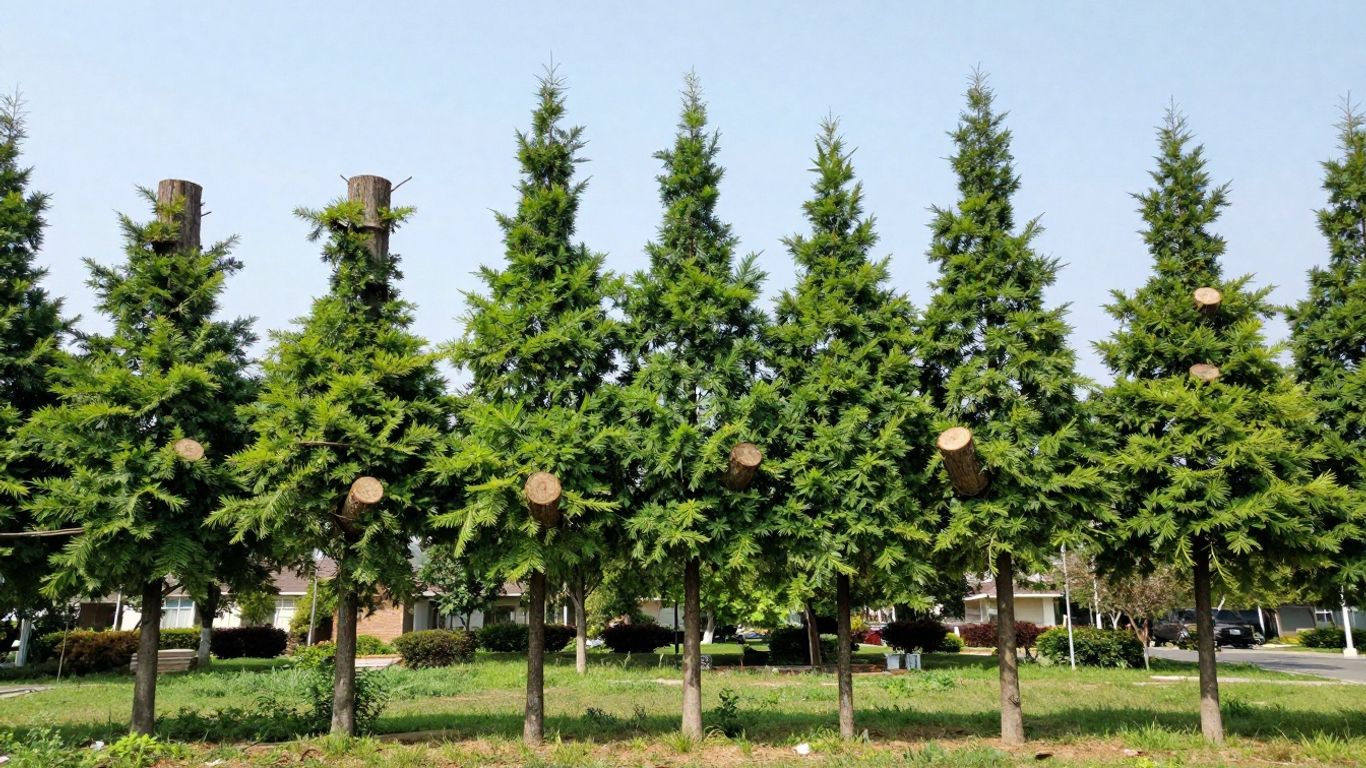
Tree topping might sound like an easy fix when your tree gets too tall or starts blocking your view, but it actually does more harm than good. Many people think just chopping off the upper branches will solve their problems, but this method can leave trees weak, stressed, and looking pretty rough. If you care about your trees and want them to stay healthy, it’s important to know why tree topping is risky and what you can do instead. Let’s break it all down so you can make the best choices for your yard.
Key Takeaways
- Tree topping is when you cut off the top of a tree or big branches, which leaves stubs and weak new growth.
- Topping trees can cause long-term damage, making trees more likely to get sick, attract pests, or become unsafe.
- Proper tree pruning in Ottawa is a better way to control a tree’s size and shape without hurting its health.
- Crown reduction is a safe alternative to topping that keeps the tree’s natural form and strength.
- Hiring a qualified arborist is the best way to make sure your trees are cared for the right way.
What Is Tree Topping?
Tree topping is when someone cuts off the tops of trees or bluntly removes large branches, usually leaving behind rough stubs or a flat, unnatural shape. This isn’t a careful or thoughtful trim—it’s more like giving your tree a bad haircut with garden shears after a long day. People often do this to shrink the tree quickly, fix issues near power lines, or try to keep a tree from getting too big for its space.
Here’s what usually happens during tree topping:
- Large parts of the canopy (the leafy top of the tree) are chopped off all at once.
- Cuts are made with little regard for how the tree naturally grows or heals.
- What’s left behind are stubs that can’t regrow strong branches, and the tree looks lopsided or even dead on top.
The thing about tree topping is, it shocks the tree, leaves it open to rot and pests, and makes regrowth that isn’t healthy or secure, so the tree is at higher risk of breaking later—especially in storms.
It’s the opposite of solid tree care. Certified arborists recommend smart pruning, not topping, because the goal should be a healthy tree that can handle the weather and look good over time. In some cases, if you’re worried about safety or want better lighting in your yard, simple changes like adding accent lights can actually help you see and enjoy your trees without hurting them.
All in all, tree topping isn’t just a quick fix—it causes long-term problems, both for your tree and your landscape.
Common Reasons People Top Trees
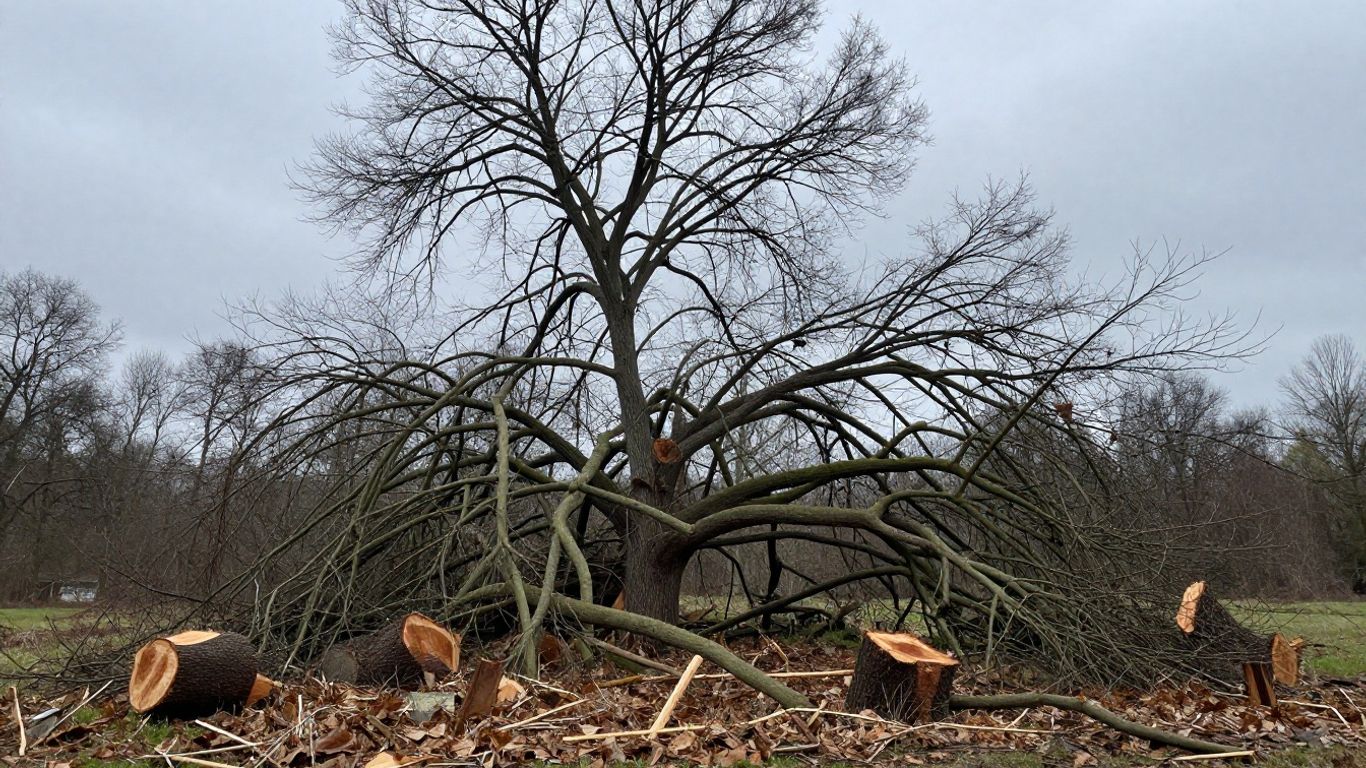
It’s easy to see why someone might think tree topping is a good idea. When a tree starts getting a little too big for its britches, or maybe it’s growing a bit too close to the house or power lines, people often look for a quick fix. They want to keep the tree, but just… smaller. It feels like a simple solution to a common problem.
Here are some of the main reasons folks end up topping their trees:
- Keeping the Power Lines Clear: This is a big one. Trees growing into or near electrical wires can be a serious safety hazard. Topping might seem like the fastest way to get those branches out of the way.
- Reducing Height Near Buildings: Nobody wants a giant tree looming over their roof or blocking all the sunlight. Topping can make a tree seem more manageable in a tight space.
- Preventing Storm Damage: Sometimes, people top trees thinking they’re making them stronger and less likely to fall or break in high winds. It’s a misguided attempt at storm-proofing.
- Controlling Shade: A large tree can cast a lot of shade, which might be undesirable for a garden or a sunny patio. Topping is seen as a way to reduce the canopy and let more light through.
People often resort to topping because they believe it’s a cost-effective and straightforward method to manage tree size and prevent future problems. They might not be aware of the long-term damage this practice inflicts on the tree’s health and structure.
While these intentions are understandable, the reality is that topping creates more problems than it solves down the road. It’s a short-sighted approach that ultimately harms the tree.
Why Tree Topping Is Harmful
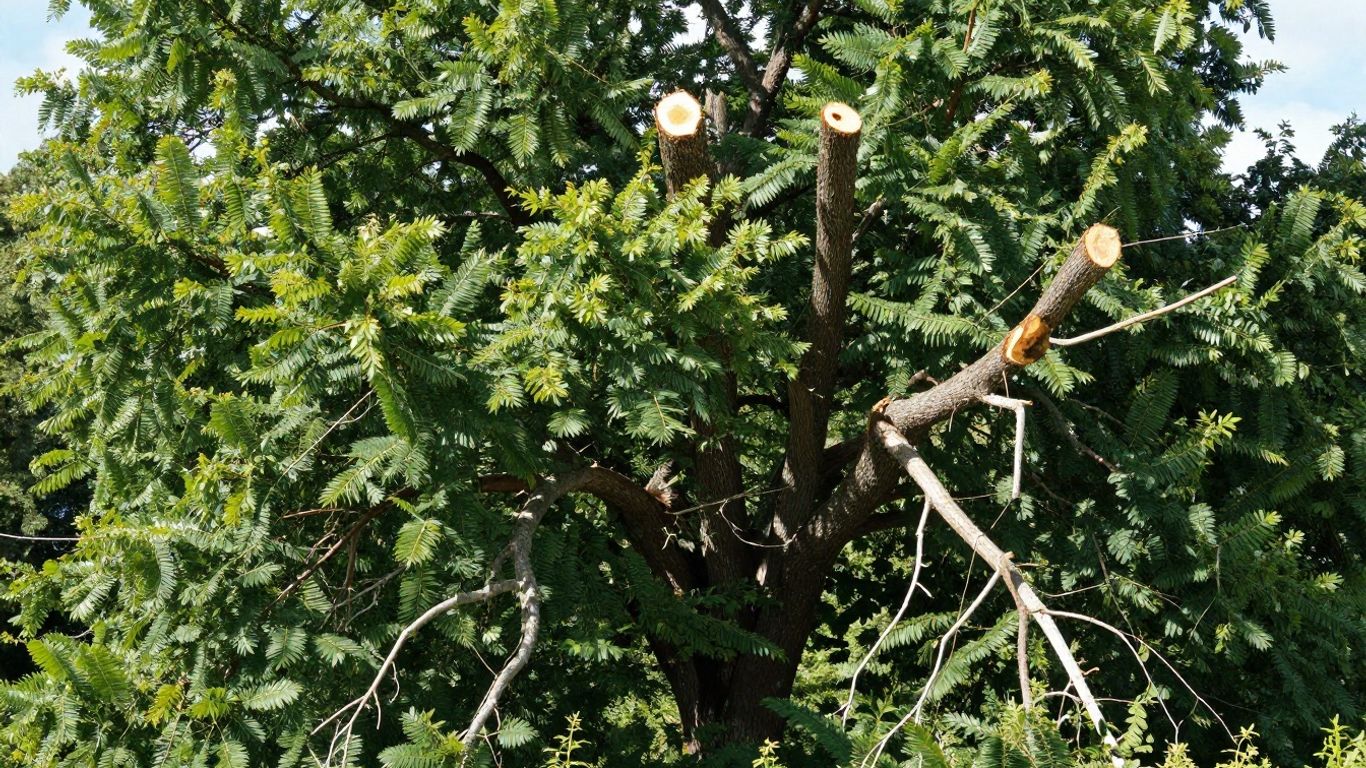
Tree topping, sometimes called hat-racking or heading, is a pretty drastic way to cut back a tree. It involves chopping off the main leader or large branches, often leaving stubs. While it might seem like a quick fix to make a tree smaller or deal with a perceived problem, it actually causes a lot of damage. This practice goes against everything a tree needs to stay healthy and strong.
Impact on Tree Health
When you top a tree, you’re essentially removing a huge chunk of its food-making factory – its leaves. This sudden loss can shock the tree, making it hard for it to produce the energy it needs to survive and grow. It’s like taking away most of a person’s stomach; they’re going to struggle.
- Starvation and Stress: Losing a large part of the canopy means the tree can’t photosynthesize effectively. This can lead to a weakened state, making it more susceptible to other issues.
- Poor Wound Healing: The large cuts left by topping often don’t heal properly. This leaves the tree vulnerable.
- Unnatural Growth: The tree’s survival instinct kicks in, leading to rapid, weak growth of shoots (called water sprouts or suckers) from the cut areas. These are not strong and can easily break later.
The damage from over-pruning trees through topping is significant. It disrupts the tree’s natural processes and sets it up for a host of problems that can shorten its life.
Increased Risk of Pests and Disease
Those big, open wounds left behind after topping are like an open invitation for trouble. Without the tree’s natural defenses fully intact, pests and diseases can move in much more easily. This can lead to decay and further weaken the tree’s structure.
- Entry Points: Exposed wood is a prime target for fungi and bacteria.
- Decay: Once decay sets in, it can spread through the tree, compromising its structural integrity over time.
- Insect Infestations: Weakened trees are more attractive to certain insects that can cause further damage.
Safety Hazards and Liability Issues
While people often top trees, thinking it makes them safer, it usually does the opposite. Those fast-growing, weakly attached sprouts that emerge after topping are prone to breaking off, especially in wind or storms. This creates a significant hazard for people and property below. It can also lead to unexpected damage from over-pruning trees that requires costly repairs. Instead of solving a safety issue, topping often creates new ones and can even increase your liability if a branch falls.
Alternatives to Tree Topping
Tree topping might seem like a quick fix, but it really messes with a tree’s health and structure. Luckily, there are many better ways to manage your trees that don’t involve chopping them up. These alternatives focus on keeping your trees healthy and strong for the long haul.
Proper Pruning Techniques
Instead of just hacking away, proper tree pruning techniques involve carefully selecting which branches to remove. This isn’t just about making the tree smaller; it’s about improving its overall health, shape, and safety. Think of it like giving the tree a good haircut, not a buzz cut.
- Crown Thinning: This means removing some of the inner branches to let more light and air get into the tree’s canopy. It helps the tree breathe and reduces the chance of disease.
- Crown Cleaning: This involves cutting out any dead, damaged, or diseased branches. It makes the tree look better and stops problems from spreading.
- Selective Branch Removal: This is about taking out specific branches that are weak, rubbing against other branches, or growing in a way that could cause issues later on. It’s all about smart, targeted cuts.
Crown Reduction vs. Topping
When you need to reduce a tree’s size, crown reduction is the way to go, not topping. Topping is like a blunt instrument, while crown reduction is more like surgery.
Crown reduction involves cutting back branches to smaller lateral branches that are at least one-third the diameter of the branch being removed. This method reduces the tree’s height and spread while maintaining its natural shape and structure. It’s a gradual process that minimizes stress on the tree and encourages healthier regrowth. Unlike topping, which leaves large, open wounds and promotes weak, fast-growing shoots, crown reduction results in cuts that are better able to heal and leads to more stable, natural-looking growth.
The key difference is that topping cuts back to a stub, forcing weak growth from dormant buds. Crown reduction, on the other hand, cuts back to a smaller, living branch, allowing the tree to use that branch’s existing structure for regrowth, which is much healthier and more stable.
These alternatives to tree topping are all about working with nature, not against it, to keep your trees looking good and staying healthy.
How to Hire a Qualified Arborist
Finding the right arborist can make all the difference for your trees. Not all tree workers have the right experience, training, or credentials—so be careful before hiring just anyone with a chainsaw and a ladder. Here’s what you can do to make sure you’re hiring someone who will actually help your trees, not harm them.
- Check for certification. Look for arborists certified by organizations like the International Society of Arboriculture (ISA). Certification shows they’ve been trained in best practices.
- Ask about insurance. A real pro will carry the right insurance for both property damage and worker injury. Don’t skip this—mistakes with trees can get expensive fast.
- Request references. Good arborists are proud of their work. Ask for local clients you can contact or drive by to check the quality of previous jobs.
- Discuss pruning techniques. Listen for terms like “crown thinning” or “crown reduction” instead of “topping” or “heading.” A qualified arborist won’t push topping your tree.
- Get a detailed estimate. Make sure everything is written down, including the work to be done, timeline, and cleanup details. Never settle for vague promises.
The right arborist will talk about tree health and the long term, not just how fast they can get the job done. Trust your gut—if someone seems more interested in quick cash than your tree’s future, it’s time to keep looking.
A little effort upfront goes a long way. Caring for your trees starts with choosing someone who truly understands how to keep them safe and strong.
Conclusion: Promoting Healthy Tree Care
So, we’ve talked a lot about why tree topping is a bad idea. It really messes with a tree’s natural growth and makes it weaker in the long run. Instead of going for that quick fix, let’s focus on what actually works for keeping our trees healthy and strong. Proper tree care methods are key to a tree’s longevity and safety.
When you’re thinking about managing your trees, remember these points:
- Think long-term: What looks like a quick solution now can cause big problems later. Aim for practices that support the tree’s natural structure and health.
- Pruning is a skill: Not all cutting is the same. Techniques like crown reduction or thinning, when done right, can manage size without causing damage.
- When in doubt, ask an expert: Certified arborists know trees. They can assess what your tree needs and recommend the best course of action, whether it’s pruning or something else.
Making informed choices about tree maintenance is about more than just looks; it’s about the overall health and stability of the tree, which benefits our environment and our properties.
Choosing the right approach to tree health and maintenance means avoiding harmful practices like topping and embracing methods that respect the tree’s natural biology. Proper care not only keeps your trees looking healthy but also reduces the risk of future problems that may require Tree Removal Ottawa services. If you’re unsure what your trees need, consulting experienced professionals who understand proper tree care is always a smart decision.
Taking good care of your trees is essential for maintaining a safe and attractive yard. Simple steps like proper watering, mulching, pruning, and preventing trunk or root damage can significantly improve tree health and help trees thrive for years to come.
So, What’s the Takeaway on Tree Topping?
Alright, so we’ve talked a lot about why chopping the tops off trees is a really bad idea. It stresses them out, makes them weak, and honestly, just makes them look kind of sad and unnatural. Instead of going for that quick fix, remember there are much better ways to manage your trees. Things like proper pruning, or talking to an arborist about the best approach for your specific tree, will keep them healthy and looking good for years to come. It might take a little more thought upfront, but trust me, your trees will thank you for it in the long run.
Frequently Asked Questions
What exactly is tree topping?
Tree topping is like giving a tree a really bad haircut. It means cutting off the top of the tree or its main branches way back, often leaving just stubs. People do this to quickly make a tree shorter or smaller, but it’s actually very harmful.
Why is topping so bad for trees?
When you top a tree, you remove most of its leaves, which are like its food factories. This shocks the tree, making it weak and unable to make enough food. It also creates large wounds that are easy for bugs and diseases to get into, and the new branches that grow back are often weak and break easily.
What are the signs of a topped tree?
A topped tree looks unnatural and often has a very messy, uneven shape. You’ll see lots of fast-growing, thin branches sprouting from where the main branches were cut. These new branches are usually weak and don’t look like a healthy tree’s limbs.
Can a topped tree recover?
While a tree might survive being topped, it never fully recovers its natural shape or strength. The damage done to its health and structure is long-lasting. It will always be more vulnerable to problems than a properly pruned tree.
What should I do if my tree has already been topped?
If your tree has been topped, the best thing to do is to get professional help from an arborist. They can assess the damage and perform careful pruning to try and manage the weak regrowth and improve the tree’s health as much as possible. Sometimes, if the damage is too severe, removing the tree might be the safest option.
Are there any good reasons to top a tree?
No, there are no good reasons to top a tree. It might seem like a quick fix for height or safety issues, but the long-term damage to the tree’s health, structure, and appearance far outweighs any temporary benefit. There are always better, healthier ways to manage tree size.