


Key Takeaways
- Moss and lichen are different organisms; moss has leaves and stems, while lichen is a combination of fungus and algae or cyanobacteria.
- Generally, moss and lichen on trees are not harmful and can even indicate a healthy environment, especially in areas with good air quality.
- Their presence often indicates conditions such as shade, humidity, and mature trees, which are typical in Ottawa.
- Be concerned if moss or lichen growth is excessive, or if the tree shows other signs of stress, such as yellowing leaves, wilting, or bark damage.
- Intervention is usually not necessary unless the growth is extremely heavy, potentially hindering light and air circulation, or if it’s masking an underlying tree health issue.
Understanding Moss and Lichen on Trees
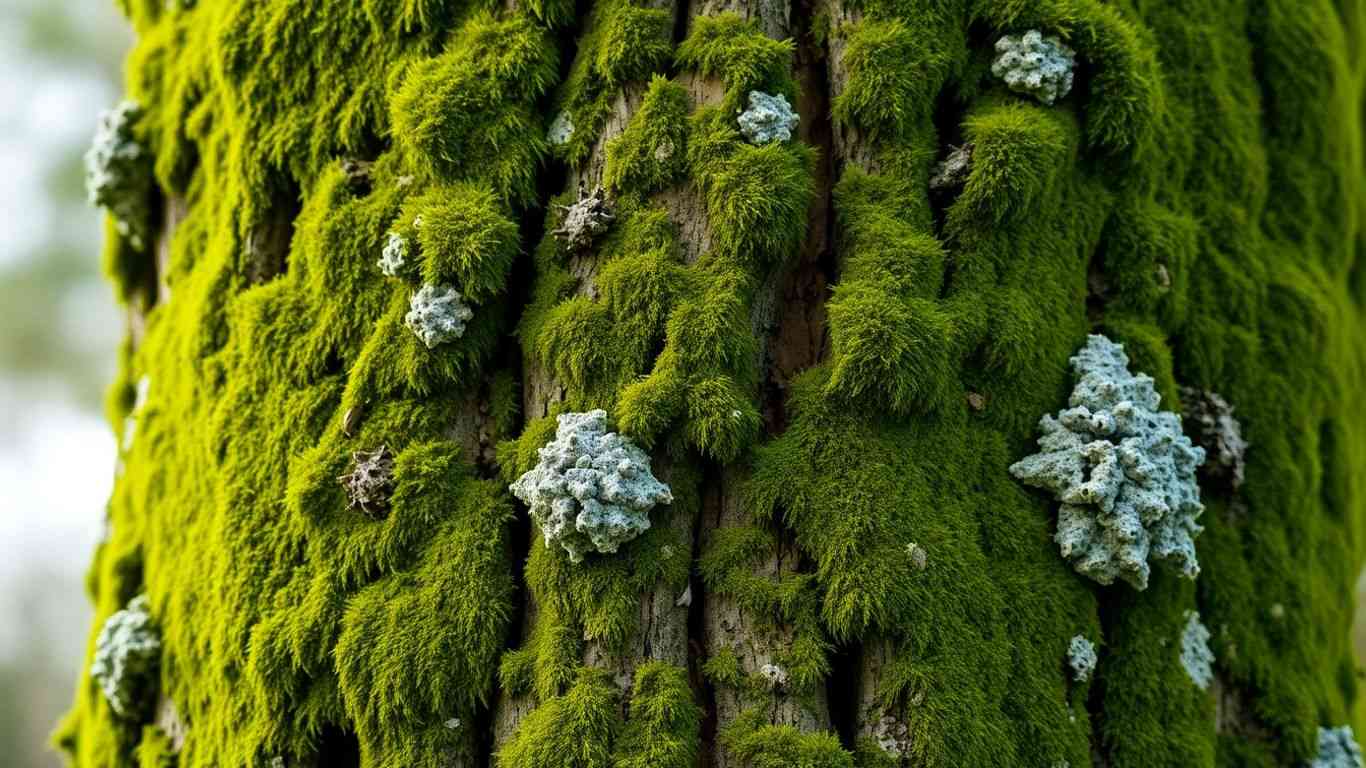
Seeing green fuzzy stuff or leafy patches on your trees might make you wonder what’s going on. It’s easy to get them mixed up, but they’re actually quite different organisms. Knowing the difference is the first step to figuring out if they’re just part of the natural scenery or a sign of something else.
What is Moss? Identifying Moss on Your Trees
Moss is a small, flowerless plant that thrives in damp, shady conditions. You’ll often find it carpeting tree bark, especially on the north side of trunks or on branches that don’t get much direct sun. It feels soft and spongy to the touch and can range in color from bright green to dark green, sometimes even with a yellowish tint. If you look closely, you might see tiny, stem-like structures and leaf-like parts. Tree moss identification often points to areas with consistent moisture. It’s not a parasite; it simply uses the tree for a place to grow, much like a plant growing on a rock.
What is Lichen? Identifying Lichen on Your Trees
Lichen, on the other hand, isn’t a plant at all. It’s a fascinating partnership between a fungus and an alga or cyanobacterium. This unique combination creates a single organism that can survive in some pretty tough environments. Lichens come in many shapes and colors – they can be leafy (foliose), crusty (crustose), or even look like tiny shrubs (fruticose). They might appear gray, green, yellow, orange, or even black. Unlike moss, lichen doesn’t have a spongy texture; it’s often more brittle or leathery. You’ll find lichen on tree bark, but also on rocks and even buildings. Their presence can sometimes be an indicator of air quality, as some species are sensitive to pollution.
The Big Question: Is Moss or Lichen Actually Harmful to Trees?
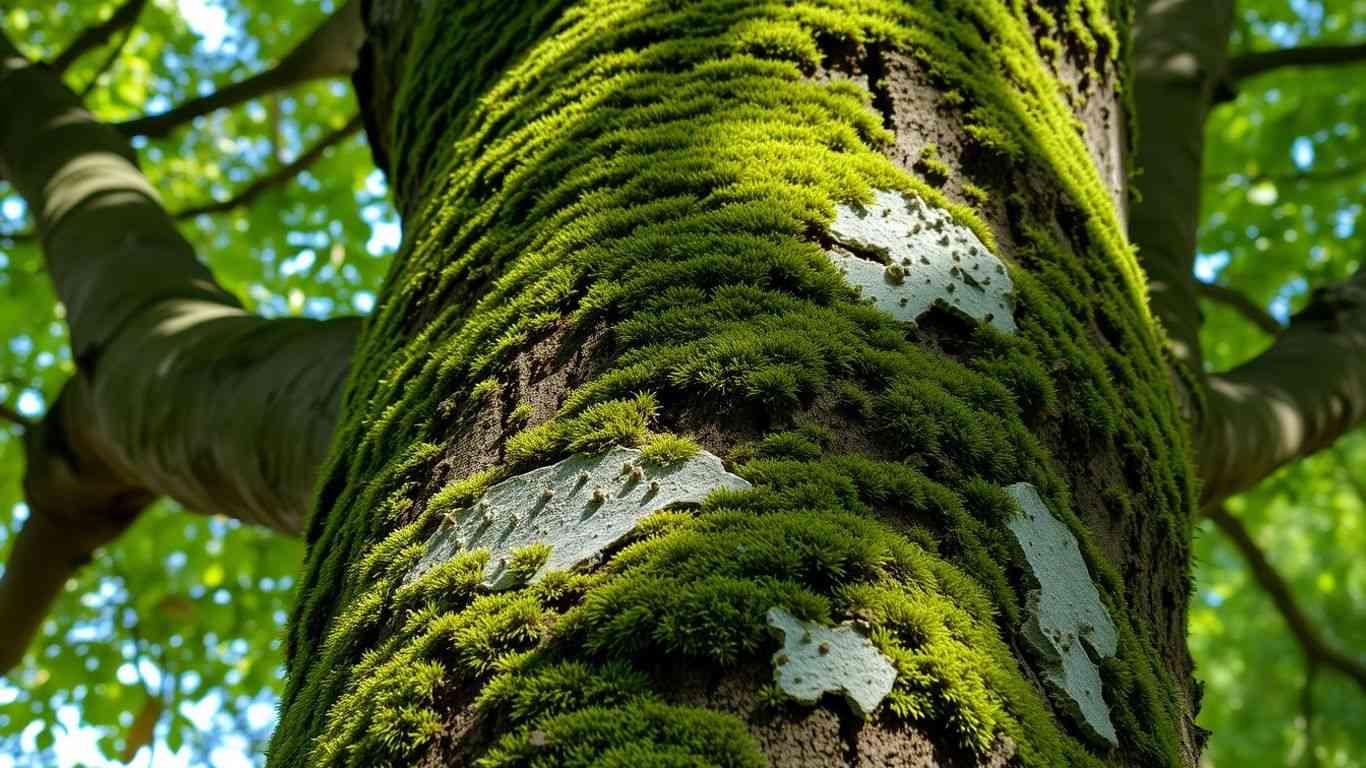
Okay, so you’ve got this green fuzzy stuff and maybe some leafy-looking patches on your trees. The big question on everyone’s mind is: Is this actually bad for my tree? It’s a fair question, especially if you’re seeing a lot of it. Let’s break it down.
Moss: A Sign of Healthy or Unhealthy Conditions?
Generally speaking, moss on your trees isn’t a sign of a sick tree. In fact, it often indicates a healthy, humid environment. Mosses are simple plants that need moisture and a surface to cling to. They don’t have roots that dig into the tree for food or water. Think of them more like tiny, living decorations. Moss is usually just a passenger, not a parasite. However, if you see moss growing excessively thick, it could be a sign that the tree is in a consistently damp, shady spot, which might point to other issues like poor air circulation or drainage. But the moss itself isn’t the culprit.
Lichen: Indicators of Air Quality and Tree Health
Lichens are a bit more complex. They’re actually a partnership between a fungus and an alga or cyanobacterium. Like moss, lichens are epiphytes, meaning they grow on other plants for support but don’t take nutrients from them. This is a key point: lichens on tree branches are generally not harmful to the tree itself. They get what they need from the air and rain. In many ways, lichens are fantastic indicators of air quality. In areas with cleaner air, you’ll often find a wider variety and abundance of lichens. If you see very few or only pollution-tolerant types, it might suggest poorer air quality in your Ottawa neighborhood. While lichens themselves don’t harm the tree, a tree that is already stressed or unhealthy might be more susceptible to other problems, and lichens might be more visible on its bark. It’s important to distinguish between lichens and actual tree diseases or pest infestations. If you’re worried about lichens on tree branches’ harmful effects, rest assured, they typically aren’t the cause of tree decline.
So, when is moss bad for trees? It’s rarely the moss itself. It’s more about what the moss’s presence might be telling you about the tree’s environment. If your tree looks otherwise healthy, don’t stress too much about the green fuzz or leafy bits. They’re usually just part of the natural landscape.
When to Be Concerned: Signs of Potential Tree Distress
Most of the time, moss and lichen hanging out on your trees are totally harmless. They’re just part of the natural scenery, kind of like how fallen leaves are. But sometimes, a whole lot of growth, or specific changes in the tree itself, can signal that something else is going on. It’s not usually the moss or lichen causing the problem, but rather what their presence might indicate about the tree’s overall health.
Identifying Underlying Tree Problems
So, how do you tell if your tree is actually struggling? Look for a few key things. A tree that’s already stressed from things like disease, pests, or poor growing conditions might be more susceptible to heavy moss or lichen growth. It’s like a weakened immune system – other things can take hold more easily. The real concern isn’t the green stuff on the bark, but the health of the tree underneath it.
Here are some signs that might mean your tree needs a closer look:
- Unusual Leaf Color or Drop: Are the leaves turning yellow or brown much earlier than they should? Is the tree dropping an excessive amount of leaves outside of the normal fall season? This can point to water stress, nutrient deficiencies, or disease.
- Visible Pests or Damage: Keep an eye out for insect infestations, like aphids or scale insects, or signs of boring insects. You might also see chewed bark, holes in the trunk, or wilting branches that aren’t related to drought.
- Cracked or Peeling Bark: While some trees naturally have peeling bark (like birch), sudden or widespread cracking, splitting, or large sections of bark falling off can be a sign of serious issues, including disease or physical injury.
- Dieback of Branches: If you notice branches dying from the tips inward, especially if it’s happening on multiple parts of the tree, it’s a red flag.
Sometimes, a tree might look like it’s covered in moss or lichen simply because it’s an older tree. Older trees often have rougher bark, which provides more surface area for these organisms to grow. This doesn’t automatically mean the tree is in trouble. It’s the combination of heavy growth with other symptoms that warrants attention. Think of it as a clue, not a diagnosis.
If you see a lot of moss or lichen, but the tree looks otherwise healthy, vibrant, and is growing well, you probably don’t need to worry. They are often just indicators of a shady, humid spot, which is perfectly fine for many trees. However, if you notice any of the distress signals mentioned above alongside the growth, it’s worth investigating further. Sometimes, a tree’s ability to shed water can be impacted by heavy growth, but this is rare and usually only on severely overgrown specimens. For most homeowners, the focus should be on the tree’s overall vitality. If you’re unsure, consulting with a local arborist is always a good idea to get a professional opinion on your tree’s condition and how it contributes to the local environment.
It’s also worth remembering that planting trees too deeply can cause a host of problems down the line, making them more vulnerable to stress. If you’ve recently planted a tree or are considering it, make sure it’s at the correct depth. Fixing a tree planted too deeply is possible, but it’s best to get it right from the start.
Natural Factors Contributing to Moss and Lichen Growth in Ottawa
So, why do we see moss and lichen hanging out on trees? It’s not usually because the tree is sick, but more about the environment. Think of it as a natural partnership, or sometimes, just a sign of the times.
Shade, Humidity, and Tree Age
These growths really love a good shady, damp spot. If your trees are in a part of your yard that doesn’t get a lot of direct sun, or if the air around them tends to be humid, you’re going to see more moss and lichen. It’s pretty simple, really. They need moisture to survive and thrive, and shade keeps that moisture around longer.
Older trees are also more likely to host these organisms. Why? Well, their bark often has more nooks and crannies, providing a better surface for moss and lichen to get a foothold. Plus, older trees might have slower growth rates, which can sometimes lead to a rougher bark texture. It’s not a sign of decay, just a natural part of a tree’s life cycle.
Here’s a quick rundown of what they prefer:
- Moisture: Consistent dampness is key. This is why they often appear after rain or in foggy conditions.
- Shade: Direct sunlight can dry them out, so shaded areas are prime real estate.
- Surface: Rough bark offers more places to attach and grow.
- Air Quality: While not always obvious, certain lichens are sensitive to air pollution. Their presence or absence can tell us something about the air we breathe. For instance, some studies show that lichens can be indicators of air quality, with sensitive species disappearing when pollution levels rise. This is something to keep in mind as we think about the overall health of our urban environment.
Sometimes, the presence of these growths can even be a good sign. For example, if you see a variety of lichens, it might suggest that the air quality in your area is pretty good. It’s a bit of a natural barometer. If you’re curious about the health of your trees and want to make sure they’re thriving, consider reaching out to a local tree care service. They can offer professional advice tailored to Ottawa’s climate and your specific trees.
Managing Moss and Lichen: When and How to Intervene
Okay, so you’ve spotted moss and lichen on your trees. The big question is, what do you do about it? Most of the time, honestly, you don’t need to do much at all. These growths are usually just hanging out, minding their own business, and aren’t actively hurting your tree. Think of them more like roommates than invaders.
However, there are times when you might want to step in. If the moss or lichen growth is super thick, like a fuzzy blanket covering a huge chunk of the trunk or branches, it could be a sign that the tree is already stressed. This often happens in shady, damp spots where air doesn’t move much. The key is to look at the overall health of the tree, not just the green stuff on its bark. Are the leaves looking good? Is the bark intact? If the tree seems healthy otherwise, the moss and lichen are probably fine.
If you decide you really want to get rid of it, or if you’re worried about it spreading, there are a few ways to go about it. For small areas, a gentle scrub with a soft brush and some water might do the trick. You can also try a mild soap solution, but make sure to rinse really well afterward. Some folks have had luck with specific architectural antimicrobials, like D/2, which is designed for building surfaces but can work on tree bark too. Just be sure to follow the product instructions carefully and test it on a small, inconspicuous spot first. It’s always a good idea to check with a local arborist before using any chemical treatments, especially on older or more delicate trees.
Remember, these treatments work best when applied during dry weather, so they don’t just wash away. You might need to reapply them every few years, as they don’t last forever. Copper or zinc strips placed strategically can also help deter growth by altering the surface chemistry, similar to how they prevent moss on roofs. It’s a bit of a trial-and-error process sometimes.
If you’re seeing a lot of moss or lichen, especially alongside other signs of tree trouble like wilting leaves, dead branches, or unusual bark changes, it might be time to call in the pros. They can properly diagnose what’s going on and recommend the best course of action. Dealing with storm-damaged trees is definitely a job for experts, and they can assess your trees for other hidden issues too [d700].
Professional Tree Care: When to Call an Arborist
Sometimes, even with the best intentions, a tree’s health goes beyond what a homeowner can manage. If you’re seeing significant moss or lichen growth accompanied by other worrying signs, it might be time to bring in the pros. Don’t wait until a small issue becomes a big problem.
What kind of signs should make you pick up the phone? Look for:
- Yellowing or wilting leaves that aren’t related to the season.
- Unusual spots, lesions, or oozing on the bark.
- Dead branches that are spreading or have fallen.
- Cracks in the trunk or major limbs.
- A noticeable lean or instability in the tree.
These symptoms, especially when combined with heavy moss or lichen, could point to underlying issues like disease, pest infestations, or root problems. An arborist has the tools and knowledge to properly diagnose these conditions. They can assess the tree’s overall health and recommend the best course of action, whether that’s treatment, pruning, or even removal if necessary. For instance, if your tree is suffering from a pest like the emerald ash borer, a certified arborist can help identify it and suggest appropriate tree replacement species if the tree cannot be saved.
When in doubt, it’s always better to consult a professional. They can offer a clear assessment and prevent potential hazards before they occur.
Wrapping Up: Moss and Lichen on Your Trees
So, after all that, what’s the takeaway for us Ottawa homeowners? Generally, a little bit of moss or lichen on your trees isn’t a big deal. They’re usually just hanging out, not actively trying to harm your trees, especially if your trees are healthy and strong. Think of them more like a bit of natural decoration. However, if you notice a really thick, heavy coating, or if your tree looks like it’s struggling, it might be worth a closer look. Keeping your trees healthy with good watering and pruning is your best defense. And if you’re really worried, or if you see signs of actual damage, don’t hesitate to call in a local arborist. They’ve seen it all and can give you the best advice for your specific situation.
Frequently Asked Questions
What’s the difference between moss and lichen on my trees?
Moss looks like a soft, green carpet growing on tree bark. It has tiny leaves and stems. Lichen, on the other hand, is a mix of fungus and algae or bacteria. It can look like leafy patches, crusty spots, or even small, shrubby growths. Lichens don’t have true leaves or stems as moss does.
Are moss and lichen actually hurting my trees in Ottawa?
Generally, no. Moss and lichen are not harmful to healthy trees. They are just living on the surface for a place to grow. They don’t take nutrients from the tree. In fact, their presence can sometimes mean the tree is in a healthy environment with good air quality and enough moisture.
When should I worry if I see moss or lichen on my tree?
You should only worry if the moss or lichen is covering a large part of the tree, or if the tree also shows other signs of trouble. These signs could include yellowing leaves, dead branches, or bark that is peeling away. These issues usually mean the tree has a deeper problem, and the moss or lichen is just a side effect.
Why do moss and lichen grow so well on trees?
Ottawa’s climate is perfect for these growths! We get plenty of shade, especially under the canopy of mature trees. We also have humid conditions and enough rain, which moss and lichen love. Older trees often have rougher bark, giving them more places to attach and grow.
Can I remove moss or lichen from my trees?
You can, but it’s usually not necessary. If you really want to remove it for looks, you can try gently brushing it off. Avoid using harsh chemicals, as these can harm the tree. Remember, if the conditions are right, they will likely grow back.
When is it time to call a tree expert about moss or lichen?
Call an arborist if you see signs that your tree is truly struggling, like widespread wilting, leaf drop, or dead sections. They can figure out if there’s an underlying disease or pest problem causing the tree to be unhealthy, which might be why the moss or lichen is growing so much.