


Tree Cabling and Bracing
Services in Ottawa
signs you may need a cable or brace installed in your tree:
- Weak unions
- Included bark
- Codominant stems
- Poor structured trees
How to prolong the life of your trees with cabling and bracing
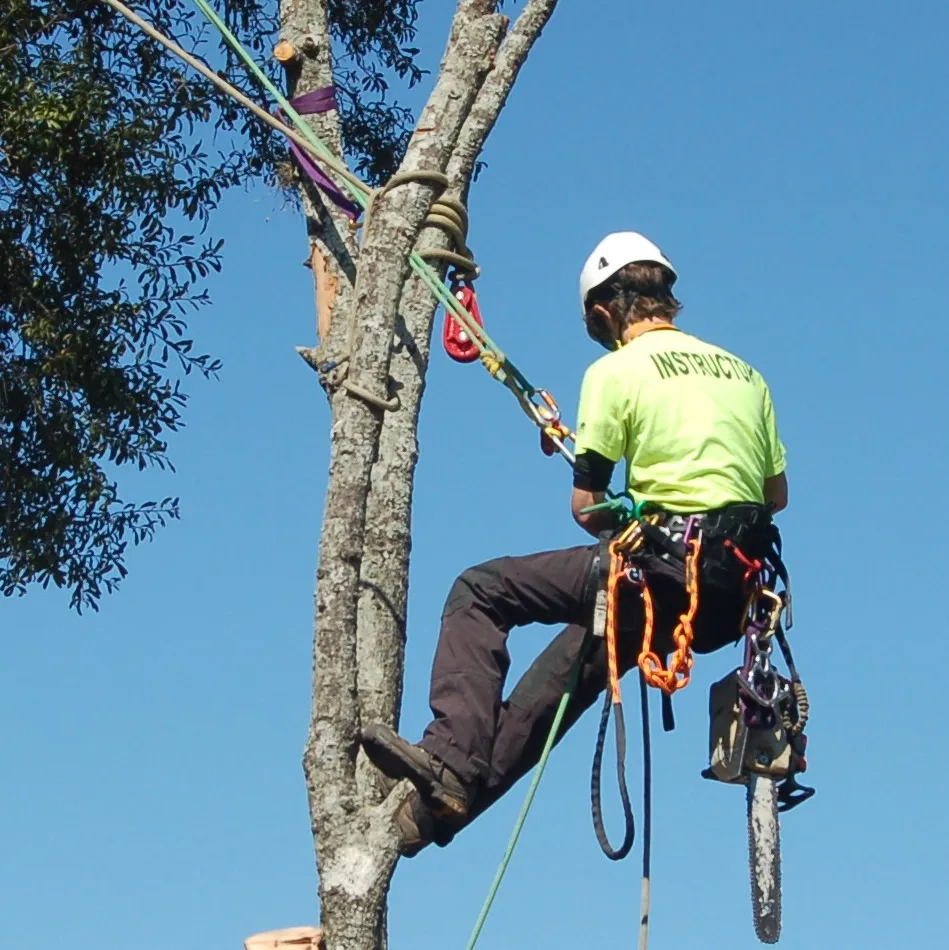


What is Tree Cabling and Bracing?
Tree cabling and bracing are methods used to support weak or structurally compromised trees. These techniques help stabilize trees that have been damaged, are in danger of splitting, or have an irregular growth pattern. By using a combination of cables, rods, and braces, we provide structural support to trees to help them withstand harsh weather conditions, strong winds, and other external forces.
When Should Cabling and Bracing Be Used?
Cabling and bracing are typically used in the following situations:
- Weak or Split Trees : Trees with weak branches or trunks that might be prone to breaking under pressure.
- Trees with Multiple Leaders : Trees with two or more main trunks, which may lack structural integrity.
- Leaning Trees : Trees that have a significant lean and may fall or snap.
- Trees with Heavy Canopy : Large trees with heavy canopies that could cause stress on the trunk and branches.
- Storm Damage : Trees that have been damaged by strong winds or storms but can still be saved with added support.
How Does Tree Cabling and Bracing Work?
- Cabling : Strong steel cables are installed between branches or trunks to redistribute the weight and prevent further stress. The cables are usually adjustable, allowing for flexibility as the tree grows.
- Bracing : Rods or braces are placed along the tree’s structure to support weak limbs or prevent the trunk from splitting. This can also be done in combination with cabling for added protection.
Benefits of Cabling and Bracing
- Strengthens and Stabilizes Trees : Helps prevent branches or trunks from breaking under pressure.
- Preserves Tree Health : Reduces the need for removal by providing support to structurally weak trees.
- Aesthetic Preservation : Maintains the shape and integrity of trees in your landscape.
- Prevents Property Damage : Reduces the risk of tree limbs falling on structures, vehicles, or people.
The Tree Cabling and Bracing Process
- Consultation : Our certified arborists will evaluate the tree’s health and structure.
- Assessment : We will determine if cabling and bracing are appropriate for the tree’s condition and if they can prolong the tree’s life.
- Installation : We use high-quality materials and industry-best practices to install cables and braces to safely support the tree.
- Ongoing Monitoring : We offer follow-up inspections to monitor the condition of the cabling and bracing and make adjustments if necessary.
Why Choose Us?
Certified Arborists : Our team includes certified arborists with years of experience.
Expert Care : We prioritize the health and safety of your trees.
Quality Materials : We only use the best materials and equipment to ensure the job is done right.
Peace of Mind : Rest easy knowing your trees are supported and safe.
Steel vs Synthetic Tree Cable
Steel Tree Cable:
- Strength and Durability : Steel cables are known for their high tensile strength, making them ideal for supporting large or heavy branches. They can withstand extreme weather conditions and offer long-lasting durability.
- Proven Performance : Steel cables have been used for decades in arboriculture and are a reliable choice for many tree care professionals.
- Less Flexibility : Steel cables are rigid and less forgiving, which can sometimes cause stress on the tree if not installed correctly.
- Visibility : Steel cables are more visible, which may not be desirable in certain aesthetic situations.
Synthetic Tree Cable:
- Flexibility : Synthetic cables, such as those made from high-strength polymers, offer more flexibility than steel, allowing for better movement with the tree as it grows and sways. This reduces the risk of damage to the tree.
- Lightweight : Synthetic cables are lighter than steel, which can make installation easier and cause less stress on the tree.
- Corrosion Resistance : Unlike steel cables, synthetic options are resistant to rust and corrosion, making them a good choice in areas with high moisture or salt exposure.
- Aesthetic Appeal : Synthetic cables are often less visible, making them a better choice when aesthetics are a concern.
Contact Us Today
I If you have a tree that might need cabling or bracing, don’t wait until it’s too late! Contact Green Thumb Tree Specialists today for a consultation. We’ll help you decide on the best course of action for your tree’s safety and long-term health..
Call Now at 613-869-5324 or Request a Free Quote by filling out the form below.
Frequently Asked Questions
Will cabling and bracing harm my tree?
How long do the cables and braces last?
Is cabling and bracing a permanent solution?
Looking for Other Services? We're Here to Help!
Our team has years of experience with all areas of tree removal, and we have the tools and expertise to carefully and safely grind down your stump without affecting the aesthetics of your property.


