


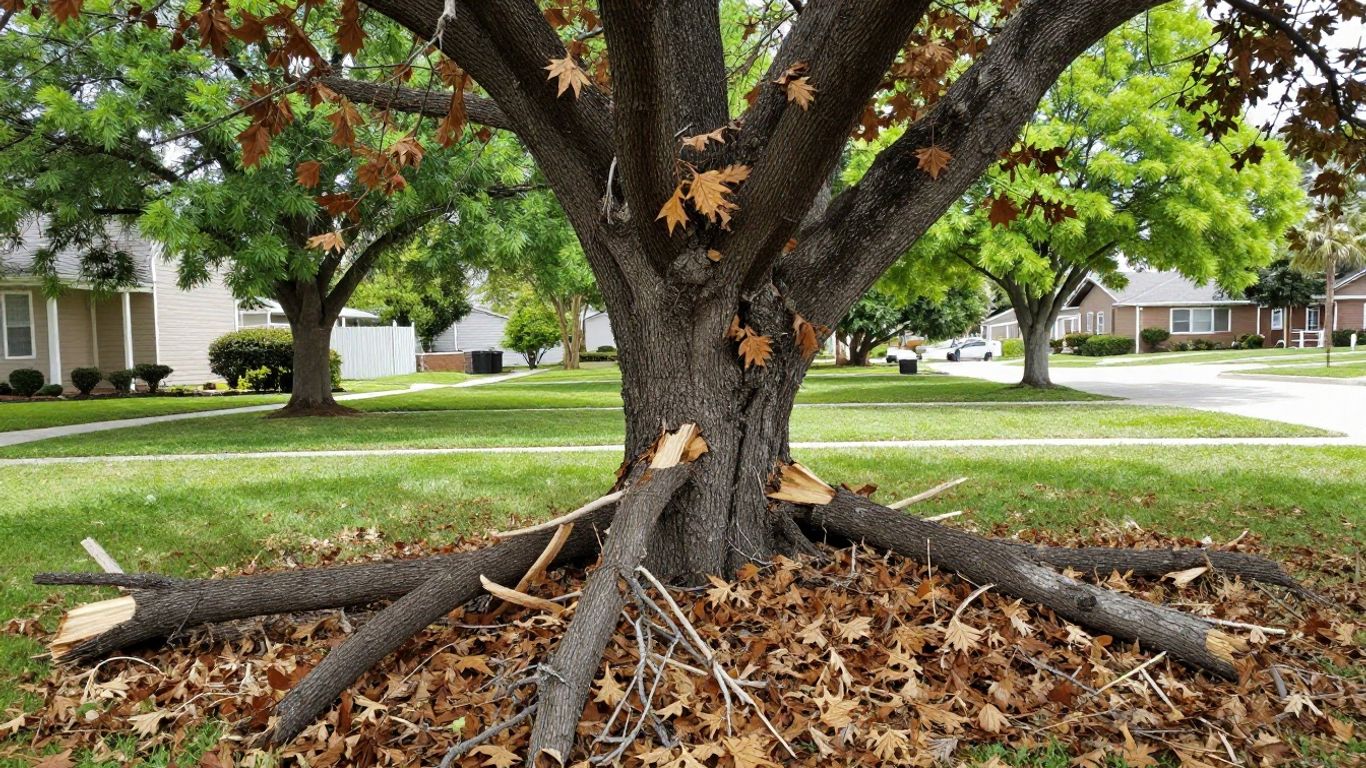
Trees are a big part of our yards, right? They give us shade and make things look nice. But sometimes, they get sick or old and can become a problem. Knowing how to tell if a tree is dying is super important for keeping your property safe. It’s not always obvious, and you don’t want a dead tree falling on your house. This guide will help you spot the signs so you can figure out what to do next.
Key Takeaways
- Look for dead branches, especially ones that snap easily or have no leaves during the growing season.
- Unusual leaf color or loss outside of the normal fall drop can signal a problem.
- Fungi, mushrooms, or cankers (sunken spots on the bark) often mean there’s rot inside the tree.
- A tree that suddenly leans or has cracked bark, especially if it reveals dry wood, might be dying.
- When in doubt, or if the tree looks like a hazard, it’s best to get a professional arborist to check it out.
Common Signs of a Dying Tree
It’s tough seeing a tree you’ve enjoyed for years start to look a bit rough. Sometimes, it’s just a seasonal thing, but other times, it’s a clear signal that the tree is struggling. Spotting these signs early can help you figure out if your tree is just having a bad year or if it’s truly a dying tree. It’s not always about old age, either; many factors can contribute to a tree’s decline. Let’s look at some of the most common indicators that might mean your tree needs some serious attention.
Leaf Discoloration and Loss
Leaves are often the first place you’ll notice something’s up. While some leaf drop is normal in the fall, persistent issues during the growing season are a red flag. Look out for leaves that turn yellow, brown, or even black prematurely. Sometimes, the leaves might also be smaller than usual or have unusual spots and wilting. If your tree is supposed to be full of leaves by late spring and it’s still looking bare, that’s a pretty strong sign something’s wrong. It’s worth comparing your tree to others of the same kind nearby to see if it’s just a late bloomer or genuinely struggling.
Bark Issues: Cracks, Peeling, and Fungi
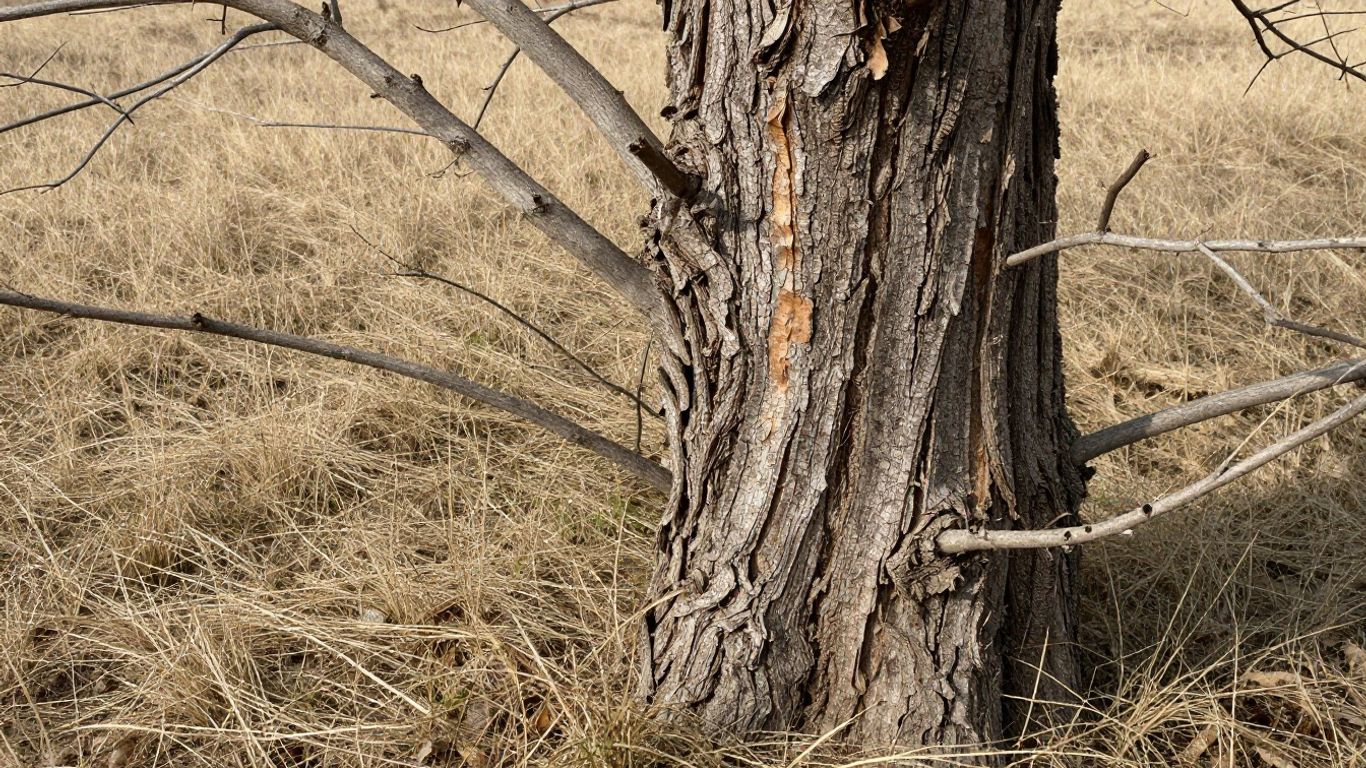
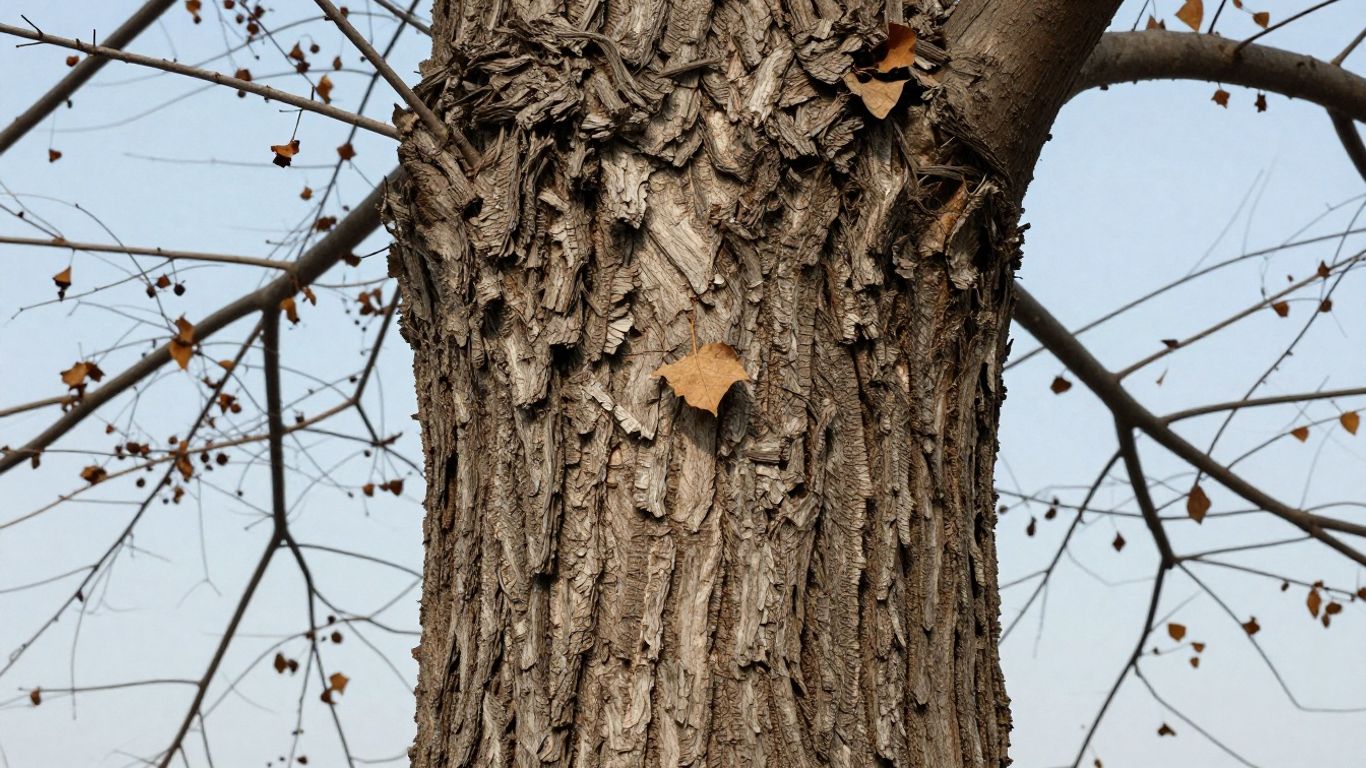
The bark is like the tree’s skin, and problems here can show deeper issues. You might see large sections of bark peeling away, especially if it’s coming off in sheets and revealing dry, cracked wood underneath. This could be due to stress, rot, or internal decay. Another thing to watch for is the appearance of fungi, like mushrooms or shelf-like growths, on the trunk or at the base of the tree. These often mean the tree is dealing with internal rot and is breaking down.
Dead Branches and Twigs
Dead branches are pretty obvious, but they can be a serious hazard if they fall. During the growing season, if you see branches that have no leaves at all, or if they snap off really easily when you try to bend them, they’re likely dead. Even healthy trees can have a few dead twigs, especially after a storm, but a widespread pattern of dead branches is a clear sign of a sick tree.
Trunk Problems: Rot, Cavities, and Insect Infestations
The trunk is the tree’s main support. If you notice significant cracks, especially vertical ones, or large, sunken areas that look like dead spots (cankers), this can indicate serious disease or damage. Cavities or hollows in the trunk are also concerning, as they weaken the tree’s structure. Keep an eye out for signs of insect activity, too. Things like small holes bored into the bark, or sawdust-like material (frass) at the base of the tree, can point to an infestation that’s harming the tree from the inside out. These are all significant tree disease symptoms to be aware of.
Sometimes, a tree might just look a bit sad because it’s dormant, waiting for warmer weather. But if you see a combination of these signs – like no new leaves, peeling bark, and dead branches – it’s more likely that the tree is in decline and might not recover on its own. It’s not always about whether do trees die of old age; often, it’s about disease, pests, or environmental stress.
Understanding Tree Health: What’s Normal and What’s Not
It’s not always obvious when a tree is struggling. Sometimes what looks like trouble is actually part of the tree’s normal routine—other times, it’s a warning sign best not ignored. Knowing the difference is half the battle for homeowners.
Seasonal Changes vs. Signs of Distress
A lot of tree changes are seasonal, but some are red flags you shouldn’t overlook.
If you see leaves dropping or bark peeling off in ways that don’t match the usual routine for your tree—say, leaves browning in July or mushroom colonies popping up overnight—that’s a sign to look closer.
- Compare your tree to others of the same species nearby.
- Look out for leaf or bud development; delayed growth is often a problem.
- Test thin branches: if they snap, they may be dead, but flexibility is a good sign.
It’s common for trees to look rough after storms or in the middle of winter, but if the issues stick around while everything else is greening up, you might have a problem on your hands.
Identifying Pests and Diseases
Pests and diseases can do some quiet damage before you even realize what’s going on. Early clues are your best shot at fighting back before things get worse.
Watch for the following:
- Odd leaf behavior
- Yellowing or browning leaves in the wrong season
- Leaves with holes, spots, or stunted growth
- Sparse coverage—bare patches in the canopy
- Bark and trunk issues
- Cracks or splits forming, especially with sap leaking or sections turning dark
- Large areas of bark missing—you might see dry, hard patches or whole strips coming loose
- Fungi or mushrooms
- Mushrooms and shelf-like growths near the roots or on the trunk are a strong hint of internal rot
- Insect activity
- Tiny holes were bored into the bark
- Sawdust-like material (frass) is collecting at the tree’s base
- Noticeable swarms of bugs around wounds or soft wood
If you’re seeing a sudden surge in odd activity—maybe a patch of branches that look brittle, or mushrooms popping up where you’ve never seen them before—it probably means it’s worth a closer look or a phone call to someone who knows trees.
When to Call a Professional Arborist
Sometimes, you can spot a tree that’s not doing so hot. You see the weird leaf colors, maybe some fungus creeping up the trunk, or branches that look totally dead. But knowing for sure if it’s just having a bad season or if it’s actually on its way out can be tricky. That’s where the pros come in.
Assessing the Risk of a Dying Tree
If you’re looking at a tree and thinking, “Hmm, this doesn’t look good,” it’s probably time to get a second opinion. A professional arborist can tell you if that tree is a genuine hazard or just needs a little TLC. They’ve got a trained eye for spotting things you might miss, like subtle signs of disease or structural weaknesses that could lead to a big problem later on. They can assess things like:
- The extent of damage: Is more than half the tree dead or damaged? If so, it might be time for removal.
- Stability issues: Is the tree leaning suddenly, or does the ground around its base look disturbed? This could mean the roots are failing.
- Internal problems: Fungi at the base or large cracks in the trunk can point to rot that’s not visible from the outside.
- Proximity to structures: Even a healthy tree can become a problem if it’s too close to your house, power lines, or other important things.
Don’t guess when it comes to tree safety. A professional assessment is the best way to know for sure what you’re dealing with and what needs to be done to keep your property safe.
The Process of Tree Removal
Deciding when to remove a tree is a big step, and actually taking it down is even bigger. It’s not a weekend DIY project, folks. Removing a large tree is dangerous work. Professionals have the right gear and know-how to do it safely. They’ll figure out the best plan, use special ropes and equipment to lower branches and the trunk piece by piece, and make sure nothing falls where it shouldn’t. They also carry insurance, which is good for everyone involved. If you’re worried about a tree, especially one that looks like it’s in bad shape or is too close to your home, calling an arborist for an assessment is the first move. They can confirm if removal is the best option and handle the whole process, from getting any necessary permits to cleaning up the mess afterward. You can find local services that specialize in Tree Removal to get a quote and discuss your options.
Preventative Care for Tree Health
Taking steps to keep your trees healthy is a lot easier (and cheaper) than dealing with a dying tree later on. Regular tree health assessment helps you catch subtle problems before they become big headaches. If you’re not sure where to start with identifying tree problems, here’s a simple list that’ll keep your trees happier for longer:
- Water trees deeply but not too often, especially during dry months.
- Mulch around the base to lock in moisture and protect roots from both drought and temperature swings.
- Avoid harmful practices like tree topping; instead, go for careful pruning, such as crown thinning (check out why this matters on proper tree pruning techniques).
- Check for signs of pests, fungi, or disease regularly.
- Don’t let heavy equipment drive over root zones, which compacts soil and suffocates roots.
Staying on top of these tasks means issues—like bark cracks, early leaf drop, or fungal growth—don’t surprise you. Even with regular checks, don’t hesitate to call a pro if something seems off. Your trees are worth the attention, whether you’re worried or just making sure they thrive year after year.
Taking care of your trees before problems start is the smartest way to keep them healthy. Trees need regular checks, water, and a little attention to stay strong. Don’t wait until it’s too late—visit our website for easy tips or a free quote to protect your trees today!
Conclusion
Figuring out if a tree on your property is dying isn’t always simple, but it’s worth the effort. Trees add so much to a yard, but when they start to decline, they can quickly become a problem. If you notice things like bare branches, peeling bark, mushrooms at the base, or a tree that’s leaning more than usual, it’s time to pay attention. Sometimes it’s just a rough season, but other times, the tree really is on its way out. When in doubt, don’t be afraid to call in a pro for a second opinion. It’s better to be safe than sorry—especially when it comes to keeping your home and family safe from falling limbs or worse. Taking care of your trees means keeping an eye out for trouble and acting before things get out of hand. If you do need to remove a tree, it’s never an easy choice, but sometimes it’s the right one. Your yard—and your peace of mind—will thank you.
Frequently Asked Questions
How can I tell if my tree is really dead or just dormant?
A good way to check is with the scratch test. Gently scratch a small area of the bark on a branch. If you see green underneath, the tree is still alive. If it’s brown and dry, that part may be dead. Also, check for buds at the end of branches—healthy trees usually have firm buds, even if they’re not growing leaves yet.
What are the first signs that a tree might be dying?
Some of the first signs include leaves turning yellow or brown out of season, branches that snap easily, and bark that is peeling or falling off. You might also notice mushrooms or fungi growing on the trunk or around the base.
Is it safe to leave a dying tree on my property?
Leaving a dying tree can be risky. Dead branches or the whole tree can fall, especially during storms, and cause damage or injury. It’s best to have a professional look at the tree to decide if it should be removed.
Can I save a tree that looks sick or is losing leaves?
Sometimes, yes! If you catch the problem early, things like watering, adding mulch, or treating for pests can help. But if most of the tree is dead or the trunk is badly damaged, it might not be possible to save it.
When should I call a professional arborist?
Call an arborist if you see large dead branches, deep cracks in the trunk, mushrooms or fungus growing on the tree, or if the tree is leaning suddenly. Arborists can tell you if the tree can be saved or if it needs to be removed.
What should I do with the stump after tree removal?
After a tree is removed, you can have the stump ground down by professionals. This helps prevent pests from moving in and makes your yard safer and nicer looking.