


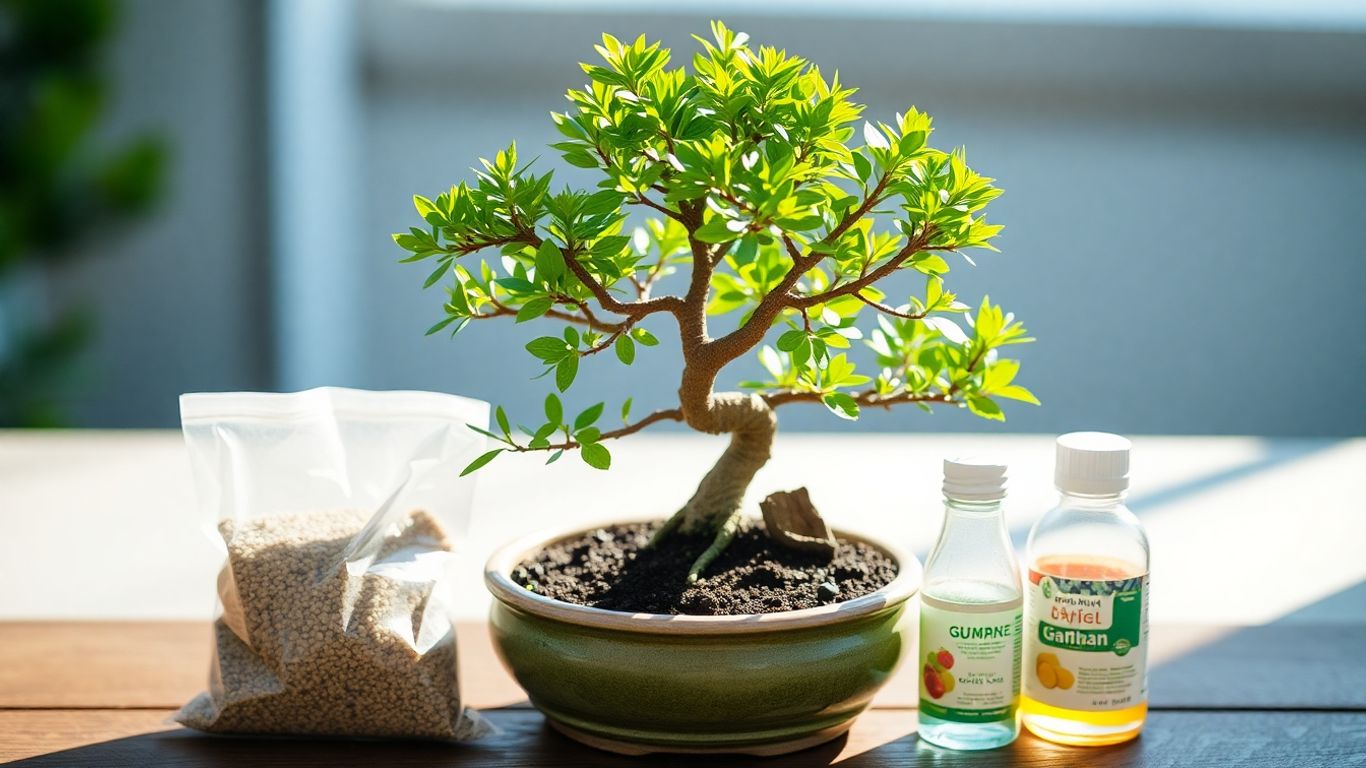
Bonsai trees are living art, and just like any other plant, they need food to grow. But because they live in small pots, they can’t get all the nutrients they need from the soil alone. That’s where bonsai tree fertilizer comes in. It might sound complicated, but understanding the basics of what your tiny tree needs will make a big difference. This guide breaks down everything you need to know about feeding your bonsai, from what’s in the fertilizer to when and how to use it.
Key Takeaways
- Bonsai trees need fertilizer because their small pots quickly run out of essential nutrients that larger trees get from the ground.
- The main ingredients in bonsai tree fertilizer are Nitrogen (N) for leaf growth, Phosphorus (P) for roots and flowers, and Potassium (K) for overall plant health.
- Fertilizers come in liquid (fast-acting, needs regular application) and solid/pellet (slow-release, less frequent) forms, and can be organic (natural sources) or synthetic (chemically made).
- Always follow the specific instructions on your chosen bonsai tree fertilizer product and adjust based on the season, tree type, and its growth stage.
- Avoid fertilizing stressed trees (sick, newly repotted, or dry) and be careful not to over-fertilize, which can damage roots and show as yellowing leaves or soil crust.
Why Bonsai Trees Need Fertilizer
Bonsai trees, while miniature works of art, are still living plants that require nourishment to thrive. Unlike trees in the wild that can draw nutrients from a vast area of soil, bonsai are confined to small pots. This limited space means the soil’s nutrient supply gets used up pretty quickly. Without regular feeding, your bonsai can become weak and unhealthy.
Think of it like this:
- Nutrient Depletion: The soil in a bonsai pot is a finite resource. As the tree grows, it takes up the available nutrients, leaving the soil depleted.
- Container Limitations: The small pot restricts root growth and the soil’s ability to naturally replenish nutrients.
- Artistic Goals: To maintain their shape, size, and health, bonsai often undergo pruning and wiring, which also uses up the tree’s energy reserves.
Providing the right bonsai plant food benefits your tree in several ways, helping it to maintain its vibrant foliage, develop strong roots, and resist pests and diseases. It’s essentially replacing what the tree can’t get on its own from its confined environment. For established plants, fertilizing every second year might be enough, but for most, a consistent feeding schedule is key. You can find good options like organic fertilizers that are great for nutrient content.
The goal of fertilizing is to supplement the limited soil environment, ensuring the tree has the building blocks it needs for healthy growth, resilience, and the continuation of its artistic form. It’s not just about making it grow; it’s about keeping it healthy and strong within its miniature world.
Understanding Bonsai Fertilizer Components
Think of fertilizer as the vitamins for your tiny trees. Since bonsai live in small pots, they can’t get all the nutrients they need from the soil alone. That’s where fertilizer comes in, replacing what gets used up. Most fertilizers have three main ingredients, often shown as N-P-K on the label. These numbers tell you the percentage of nitrogen, phosphorus, and potassium in the mix.
The Role of Nitrogen (N)
Nitrogen is like the “growth spurt” nutrient. It’s super important for making leaves and stems grow, giving your bonsai that lush, green look. If your tree looks a bit pale or isn’t putting out new shoots, it might need more nitrogen. It’s especially useful in the spring when trees are waking up and ready to grow.
The Role of Phosphorus (P)
Phosphorus is all about the roots, flowers, and fruits. It helps build a strong foundation for your tree and is key if you want your bonsai to bloom or produce little fruits. If you’ve recently repotted your tree or have a species that flowers, phosphorus is your friend.
The Role of Potassium (K)
Potassium is a general health booster. It helps your bonsai deal with stress, whether that’s from heat, cold, or even pests and diseases. Think of it as strengthening the tree from the inside out, making it more resilient and helping its overall vigor.
Getting the balance of these three right is key. Too much of one and not enough of another can cause problems. It’s like feeding yourself only junk food – you might get calories, but you won’t be healthy.
Different bonsai species and even different times of the year call for different N-P-K ratios. For example, you might use a fertilizer with more nitrogen in the spring for leafy growth, a more balanced one in the summer, and one with less nitrogen in the fall to help the tree prepare for winter.
Types of Bonsai Tree Fertilizer
When it comes to feeding your miniature trees, you’ve got a few main options to consider. The type of fertilizer you choose can really impact how your bonsai grows and stays healthy. It’s not just about picking any bottle off the shelf; understanding the differences helps you make a better choice for your specific tree.
Liquid Fertilizers
Liquid fertilizers are like a quick drink for your bonsai. You mix a concentrate with water, and it gets absorbed pretty fast by the roots. This means you can see results relatively quickly. Because they are so fast-acting, they can also leach out of the soil faster, especially with frequent watering. This means you need to be consistent with your feeding schedule if you go this route. Some people like to add a diluted liquid fertilizer to their watering can every time they water, which provides a steady, gentle stream of nutrients. This can be a good way to avoid missing a feeding and simplify the process.
Solid/Pellet Fertilizers
Solid fertilizers, often in pellet or granular form, are designed for a slower release. You typically spread these on top of the soil, and they gradually break down, releasing nutrients over time. This slow-release method means less frequent application compared to liquids, which is convenient. However, there’s a bit more of a learning curve. It can be harder to tell exactly when the nutrients are depleted, and there’s a higher risk of accidentally burning the roots if too much is applied or if the pellets sit directly on the soil surface without proper application methods. Using fertilizer baskets can help manage this.
Organic vs. Synthetic Fertilizers
This is a big one for many growers. Organic bonsai fertilizer options are derived from natural sources like compost, manure, fish emulsion, or seaweed. They tend to release nutrients more slowly and can help improve soil structure over time. Many growers feel they are gentler on the plant and the environment. On the other hand, synthetic fertilizers are chemically manufactured. They often have higher concentrations of nutrients and can provide a more immediate effect. While some synthetic fertilizers can be harsh, many are formulated specifically for delicate plants like bonsai. If you opt for synthetic, it’s often recommended to avoid those containing urea, as it can be too strong for bonsai.
Choosing the best fertilizer for bonsai often comes down to personal preference and what works best for your specific tree and your watering habits. Both organic and synthetic types can be effective when used correctly. The key is to pay attention to the NPK ratio and the release rate, and always follow the product’s instructions carefully to avoid harming your tree.
When you’re looking at fertilizers, you’ll see numbers like N-P-K. These represent Nitrogen, Phosphorus, and Potassium, the three main nutrients your bonsai needs. The ratio tells you the proportion of each. For instance, a high-nitrogen fertilizer is great for encouraging leafy growth, while a fertilizer with more phosphorus can help with root development or flowering. A balanced fertilizer is often a good all-around choice for general feeding. Different stages of your bonsai’s life, or even the season, might call for different NPK ratios. For example, you might use a higher nitrogen formula in spring when growth is vigorous, and a lower nitrogen one in the fall to help harden off new growth before winter. Understanding these ratios helps you tailor the feeding to your tree’s needs, much like feeding cedar trees requires specific attention to their nutrient requirements.
How to use Bonsai Tree Fertilizer
Figuring out how to fertilize bonsai trees can seem a bit tricky at first, but it’s really about consistency and paying attention to your tree’s needs. The goal is to give your little tree the nutrients it needs without overwhelming it, especially since it lives in small pots.
When it comes to application, there are a few ways to go about it:
- Liquid Fertilizers: These are often mixed with water and applied during regular watering. It’s a good way to get nutrients to the tree quickly. A common method some growers use is to add a gentle liquid fertilizer to their watering can every time they water. This provides a steady supply of food and takes the guesswork out of a strict schedule.
- Solid/Pellet Fertilizers: These are placed on top of the soil and release nutrients slowly as you water. They require less frequent application but can be a bit harder to judge when they’ve run out or if you’ve used too much, potentially risking root burn.
No matter which type you choose, always read and follow the product’s instructions carefully. Different fertilizers have different strengths and application rates, and what works for one tree might not be ideal for another. It’s also important to make sure your bonsai is planted in well-draining soil to prevent nutrient buildup.
Bonsai tree care involves a delicate balance. Over-fertilizing can be just as harmful as under-fertilizing. It’s better to err on the side of caution, especially when you’re starting out. Observe your tree closely for any signs of stress or unusual growth, which can indicate if your fertilization routine needs adjustment.
Remember, consistent feeding is key to healthy growth. For indoor bonsai that grow year-round, you’ll need to maintain a regular feeding schedule. Outdoor bonsai typically follow the natural growing season, from early spring to mid-fall. Be mindful of pests like Japanese beetles, which can weaken your tree and make it more susceptible to problems if it’s not properly cared for.
When to Fertilize Your Bonsai
Figuring out the right time to feed your bonsai is pretty important for keeping it healthy and looking good. It’s not a one-size-fits-all deal, and really depends on what kind of tree you have and what the weather’s doing.
Generally, you’ll want to start fertilizing when you see new growth appearing in early spring. Think of it as giving your tree a boost after its winter rest. You’ll continue this through the growing season, which usually lasts until mid-fall. After that, you can start to taper off.
Here’s a quick Seasonal bonsai fertilizing guide to give you an idea:
- Outdoor Temperate Trees: These guys follow the seasons closely. Start feeding when buds begin to swell in spring and stop around mid-fall. If you have a deciduous tree, stop fertilizing once its leaves have fallen, as it’s gone dormant.
- Conifers: Similar to other outdoor trees, feed them through the growing season. However, they don’t go fully dormant in winter, so you might give them a light feeding once or twice a month during those colder months.
- Indoor Tropicals (like Ficus): These trees don’t really experience seasons indoors. They grow year-round, so you’ll want to fertilize them more consistently, often every two to four weeks, even through the winter. Just be sure to use a weaker dose during the cooler months.
Never fertilize a tree that’s stressed. This includes trees that are sick, have just been repotted, or are really thirsty. If you’ve just repotted your bonsai, wait at least a month for it to settle in before you start feeding it again. Watering your tree before you fertilize is also a good habit to get into.
Remember, over-fertilizing can be just as bad as not fertilizing enough. Keep an eye on your tree for any signs of stress or burn, and always follow the instructions on your fertilizer packaging. If you’re dealing with issues like black knot on your cherry or plum trees, make sure to prune infected branches promptly in late winter or early spring to prevent further spread pruning infected branches.
Common Bonsai Fertilizing Mistakes to Avoid
Alright, so you’re trying to keep your little tree happy and healthy, which is awesome. But sometimes, even with the best intentions, we can mess things up with fertilizer. It’s not rocket science, but there are definitely a few common pitfalls to watch out for.
One of the biggest oopsies is just going wild with the fertilizer. More isn’t always better, especially with bonsai. These trees live in small pots, so they don’t need a ton of food. Overdoing it can actually hurt them, leading to burnt roots or weird growth. It’s like giving a tiny person a giant Thanksgiving dinner every day – they just can’t handle it.
Here are some things to steer clear of:
- Using the wrong type or strength: Not all fertilizers are created equal, and what works for your garden tomatoes might be way too strong for your delicate juniper. Always check the label and consider a fertilizer specifically made for bonsai trees.
- Fertilizing at the wrong time: Feeding your tree when it’s dormant or stressed (like right after repotting) is a no-no. It’s like trying to feed someone who’s sick; they just won’t digest it properly.
- Forgetting to water first: Never apply fertilizer to dry soil. Always water your bonsai thoroughly before you fertilize. This helps the nutrients get absorbed and prevents root burn.
- Ignoring the signs: Your tree will tell you if something’s wrong. Yellowing leaves, brown tips, or a white crust on the soil are all red flags that you might be overdoing it or using the wrong stuff.
Sometimes, people think skipping fertilizer will make the leaves smaller, but that’s a myth. It just makes the tree weaker in the long run. A consistent, but not excessive, feeding plan is key to a vibrant bonsai.
Another common mistake is not flushing the soil periodically. Over time, salts from fertilizers can build up, which isn’t good for the roots. A good flush every so often helps clear that out. Just remember to water well before and after, and don’t do it when the tree is already struggling.
Are you feeding your bonsai the right way? Many people make common mistakes when it comes to fertilizing their tiny trees. Overfeeding or using the wrong kind of food can harm your plant. Learn how to give your bonsai the best care by avoiding these common pitfalls. Visit our website to discover the secrets to a healthy and vibrant bonsai!
Wrapping It Up
So, there you have it. Fertilizing your bonsai might seem a little complicated at first, with all the different types and schedules, but it’s really just about giving your little trees what they need, when they need it. Think of it like feeding a pet – you wouldn’t just give them anything, right? You’d figure out what’s best for them. The same goes for your bonsai. By paying attention to the NPK numbers, choosing between liquid or solid, and sticking to a basic plan based on the season and your tree’s age, you’ll be well on your way to a thriving, beautiful bonsai. Don’t be afraid to experiment a little and see what works best for your specific trees. Happy growing!
Frequently Asked Questions
Why do bonsai trees need fertilizer?
Bonsai trees live in small pots, which means they can quickly use up all the good stuff (nutrients) in the soil. Fertilizer helps replace these nutrients, just like rain and decaying leaves do in nature, so your bonsai can stay healthy and keep growing.
What are the main nutrients in bonsai fertilizer?
The most important nutrients are Nitrogen (N), Phosphorus (P), and Potassium (K). Nitrogen helps with leafy green growth, Phosphorus is great for roots and flowers, and Potassium makes the whole plant stronger and better at fighting off sickness.
What’s the difference between liquid and solid bonsai fertilizer?
Liquid fertilizer works fast and is easy to mix with water, but it washes out quickly. Solid fertilizer, like pellets, releases nutrients slowly over time, meaning less frequent application, but it can be a bit trickier to get right and might risk burning the roots if not used carefully.
When is the best time to fertilize my bonsai?
Generally, you should feed your bonsai from early spring until mid-fall, which is its growing season. Indoor trees might need feeding year-round, but less often in winter. Avoid fertilizing when the tree is stressed, like right after repotting or if it’s very dry.
Can I use the same fertilizer for all my bonsai trees?
While a balanced fertilizer works for most situations, some trees might benefit from specific ratios. For example, a fertilizer with more phosphorus can help flowering trees. Also, younger trees often need more nitrogen for growth than older, more mature trees.
What happens if I give my bonsai too much fertilizer?
Over-fertilizing can be harmful! It can damage the roots, cause leaves to turn yellow or brown, and even lead to a white crust forming on the soil. If you think you’ve overdone it, flush the soil with plenty of water and pause fertilizing for a while.