

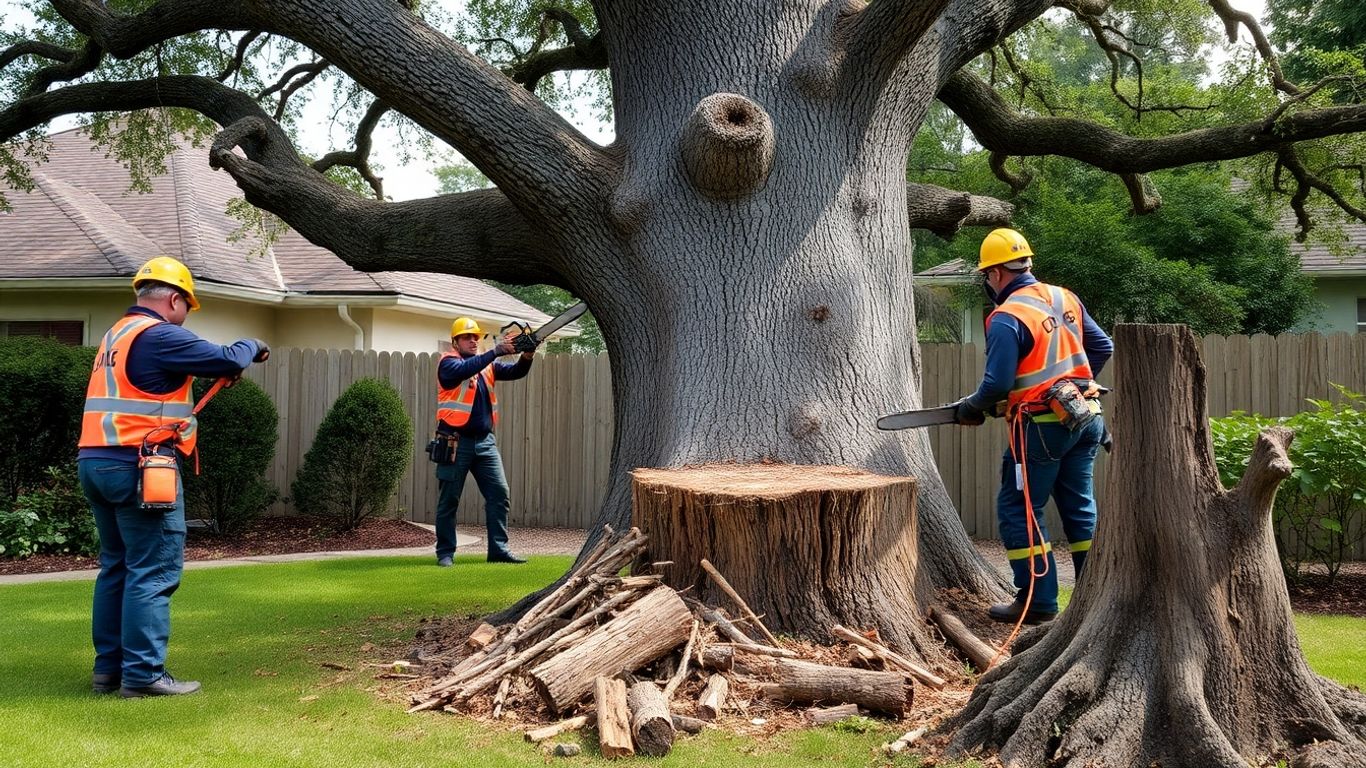
Oak trees are a big part of many landscapes, but sometimes they have to go. Maybe the tree is sick, maybe it’s gotten too close to your house, or perhaps it’s just in the wrong spot for your plans. Whatever the reason, oak tree removal is a job that takes careful thought and planning. It’s not as simple as just cutting it down, especially since oaks are large, heavy, and often protected by local laws. This article will walk you through why oak tree removal might be needed, how the process usually works, and what you should keep in mind before making any decisions.
Key Takeaways
- Oak tree removal is sometimes necessary due to disease, safety risks, or property development.
- Removing an oak tree involves several steps, including assessment, permits, safe cutting, and cleanup.
- Hiring a professional is usually safer and more efficient than attempting DIY oak tree removal.
- There are important environmental and legal factors to consider before removing an oak tree.
- Proper removal helps prevent property damage, keeps people safe, and can improve your landscape.
What Is Oak Tree Removal?
Oak tree removal is the process of taking down an oak tree, often using specialized equipment, so that the tree is fully cut, dismantled, and ultimately cleared from a property. This process is much more complicated than simply chopping down any tree, thanks to the oak’s sturdy structure, weight, and deep roots. Typically, professional oak tree cutting services handle these jobs because of the skill, safety awareness, and experience required.
Oak tree removal involves several important steps, such as:
- Conducting a thorough assessment of the tree’s health, size, and its location relative to buildings and power lines
- Checking local laws, since in some places, you can’t remove an oak tree without specific permits—even trees below a certain size might be regulated (protected by local laws)
- Cutting, sectioning, and safely lowering limbs and trunk pieces to the ground without harming people or property
- Dealing with the stump, either by grinding it down or removing it completely
- Cleaning up debris and ensuring the area is safe and tidy afterward
Oak tree removal isn’t just about making space—it’s a careful process meant to protect people, property, and the environment. Even after removal, the area might need attention, like soil improvement or landscape changes.
Whether you’re worried about a diseased oak, planning construction, or handling a tree that poses a risk, knowing what’s involved in oak tree removal is key. And most times, calling in the pros ensures it’s done right and safely for everyone involved.
Common Reasons for Oak Tree Removal
There are some pretty good reasons folks decide it’s time to cut down an oak tree—even though they’re often seen as symbols of strength and tradition. Knowing when to cut down an oak tree takes more than just a passing worry; you want to be sure there’s no better option. Here are some of the most common situations when oak removal makes sense:
- Diseases or pest infestations that can’t be controlled
- Severe structural problems—like hollow trunks, unstable roots, or big dead branches high up
- Heavy storm damage has left the tree crooked, split, or ready to topple
- Trees growing dangerously close to homes, power lines, or underground utilities
- Issues with overcrowding—when a big oak outshades everything below it
- Construction or landscaping plans that simply can’t work around the tree
| Reason | Common Signs |
| Disease/Pests | Wilting leaves, visible fungus |
| Structural Damage | Cracks, leaning trunk, decay spots |
| Storm/Weather Damage | Broken limbs, exposed roots |
| Proximity to Buildings/Power | Roots in pipes, branches touch the roof |
| Overcrowding/Shade Issues | Bare patches under the tree, stunted growth nearby |
Sometimes, the decision is tough. An oak tree might have lived on your property longer than you have. But if safety or property value is at risk, removal can be the right call—especially if you see clear warning signs.
Assessing the Need for Oak Tree Removal
When it comes to oak trees, deciding if one actually needs to be removed isn’t something to rush. Oaks are known for their size and strength, but issues can creep up over time, sometimes without catching your attention right away. You’ll want to look at the health and safety of the tree, where it’s growing, what kind of impact it’s having on your yard or buildings, and also your long-term plans for your property.
Oak removal is a big step—it’s worth pausing to check if it’s truly necessary or if other solutions might work instead.
Here are some things homeowners typically consider:
- The tree’s visible health and any signs of danger (like dead branches or trunk cracks)
- If the tree’s roots are causing damage to foundations or utilities
- Whether the tree is blocking the sun or pushing too close to structures
- If the ongoing disease or pests are getting worse each season
It can be tempting to just remove a problematic tree, but sometimes a bit of pruning or treatment can solve the issue. If you’re unsure, getting a professional arborist’s opinion is usually the best bet.
When your oak tree starts looking rough—like dropping leaves all of a sudden, showing big cracks in the bark, or losing lots of branches—don’t go it alone. At this point, the right move is reaching out to an expert, so you don’t risk missing hidden problems or taking unnecessary steps.
Signs Your Oak Tree May Need Removal
Some red flags are pretty obvious once you know what to watch for. Here’s a quick rundown:
- Leaf discoloration or sudden leaf drop
- Dead branches, especially in the upper crown
- Visible fungi, mushrooms, or odd growths around the base (oak tree health issues)
- Severe cracks or cankers in the bark
- Roots that are lifting sidewalks or buckling patios
- The tree is leaning dramatically, especially after a storm
| Sign | What It Might Mean |
| Leaf wilting and yellowing | Root problems, disease |
| Mushrooms at the base | Severe root rot |
| Multiple dead limbs in the crown | Age, disease, or storm damage |
| Sudden heavy leaf drop | Acute illness or root failure |
| Bark splitting or falling away | Internal trunk decay |
If you check off a few of these, especially if they appear together, it’s time to talk to a tree expert. Sometimes you’ll still have options to save the tree—but other times, prompt removal is the safest path for you and your property.
The Step-by-Step Oak Tree Removal Process
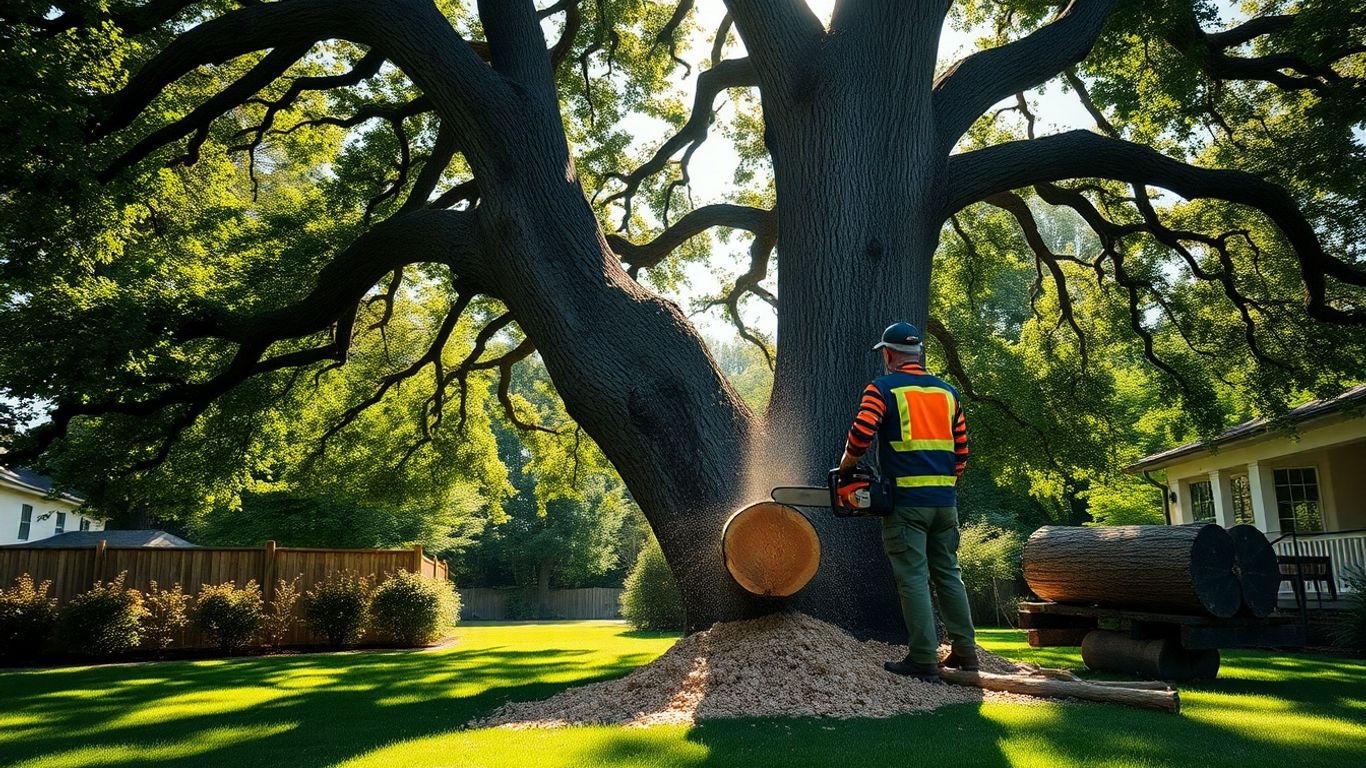
Taking down a large oak tree isn’t just a matter of grabbing a saw and getting to work. There are a lot of moving parts to consider, and it’s definitely a job that takes patience and careful execution.
Pre-Removal Assessment and Permits
Before anyone starts cutting, there’s a checklist to run through:
- Check the tree for disease, stability, and its size.
- Look at nearby buildings, power lines, and if wildlife (like birds or bats) are using the tree.
- See if you need permits or if the oak is protected by any local laws.
- Plan equipment needs, proper access, and safety zones for the crew.
Skipping this assessment can lead to legal trouble or accidental property damage.
It’s always better to spend a little extra time getting the paperwork and planning nailed down than to rush into a removals mess.
Safe Cutting and Tree Felling Methods
Learning how to remove a large oak tree safely comes down to good methods and solid gear. Depending on the tree’s location and size, experts might pick:
- Straight Felling – Suitable if the tree stands in an open yard. A notch is cut on one side, a back cut is made, and the tree falls in a controlled direction.
- Sectional Dismantling – For oaks near houses or fences. The arborist climbs or uses a lift, cuts branches and trunk pieces from the top down, lowering them by ropes.
- Crane-Assisted Removal – Big, tough jobs, especially if there’s limited space. The crane lifts large chunks out directly, reducing risk to structures (see how debris is handled after removal).
All of these methods need safety gear, careful coordination, and a clear area around the work zone.
Stump Removal and Site Cleanup
Once the bulk of the oak is down, you may be left with a massive stump and a mess. Here’s what usually happens next:
- Stump grinding: Using a grinder to chew the stump and roots down below soil level.
- Root ball extraction: For a full removal, especially if you’re replanting or building.
- Leaving stumps: Sometimes, folks let them rot out, especially for wildlife habitat.
Cleanup involves raking, chipping small branches, and dealing with larger logs, which can often be used for firewood or lumber.
Table: Typical Equipment Needed
| Step | Equipment |
| Felling/Cutting | Chainsaw, felling wedges, helmets |
| Sectional Dismant | Climbing gear, ropes, MEWP, chainsaw |
| Crane Removal | Crane, rigging gear, high-visibility vests |
| Stump Removal | Stump grinder, shovel, safety goggles |
| Site Cleanup | Wood chipper, rakes, wheelbarrow |
Oak tree removal is a big job, and knowing the right process can save you headaches—and maybe even a trip to the ER. Always consider professional help, especially when wondering how to remove a large oak tree from your yard safely.
Hiring a Professional vs. DIY Removal
When it comes to removing an oak tree, a lot of folks consider doing it themselves to save money, but it’s not as straightforward as chopping firewood in the backyard. Oak tree removal is risky and requires careful planning, specific tools, and know-how.
Here’s a quick breakdown of the main differences between hiring a pro and going DIY:
| Aspect | Professional Removal | DIY Removal |
| Safety | High (Trained, Insured) | Depends on your experience |
| Equipment Needed | All included | Must rent or buy |
| Time Required | Faster, efficient | Can take much longer |
| Legal Permits/Rules | Often handled for you | Must research and apply yourself |
| Cleanup & Disposal | Provided | You handle everything |
| Cost (Typical Range) | Higher upfront | Lower cash outlay, possible extra costs if things go wrong |
Consider these before going DIY:
- Oak trees are heavy and unpredictable; one wrong cut can cause property damage or injury.
- Permits and city regulations aren’t optional. Some cities require reports or prohibit removal without permission.
- Specialized gear (chainsaws, ropes, cranes, grinders) isn’t cheap to rent or easy to use.
If you aren’t totally sure about handling a chainsaw two stories up or can’t identify power lines and roots, think twice before going the DIY way. It might save money now, but cost far more if anything goes wrong.
Ultimately, hiring professionals brings peace of mind. The job gets done safely, by people who do this every day and understand the laws, hazards, and cleanup involved. DIY might seem cheaper, but the risks—both financial and personal—really add up.
Environmental and Legal Considerations
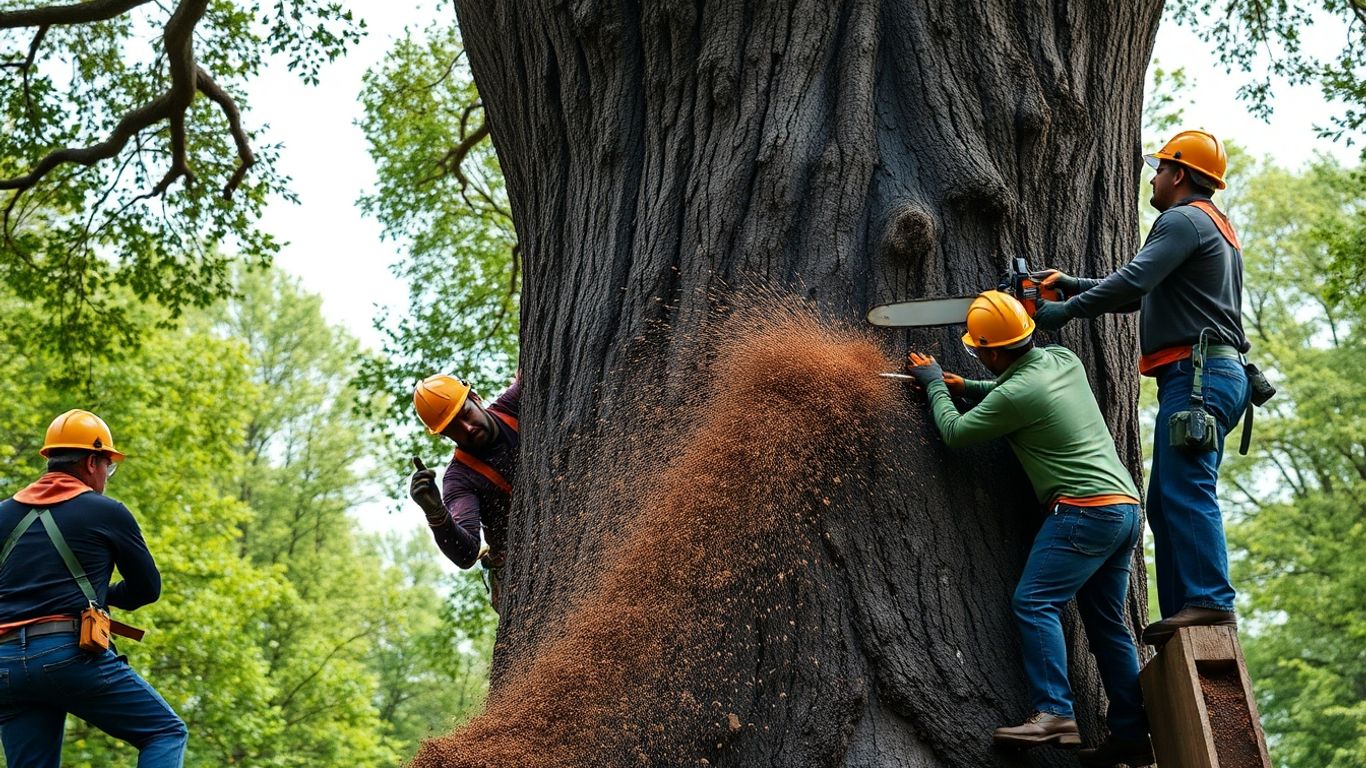
Removing an oak tree isn’t as simple as grabbing a saw and chopping it down. There are significant environmental and legal factors you should be aware of before taking action. Many municipalities regulate tree removal, and you might face fines or legal trouble if you clear an oak without the right permits. Also, certain oaks may play a role in local ecosystems, so think twice about the broader impact.
Here’s a breakdown of key points to keep in mind:
- Many cities and counties require permits for the removal of oak trees above a certain size or age.
- Oaks may be under the protection of conservation areas or subject to Tree Preservation Orders (TPOs).
- Wildlife laws can complicate removal during nesting or roosting seasons—especially for protected birds and bats.
- Mishandling removal can lead to fines, restoration orders, or even criminal liability in some jurisdictions.
- Improper disposal of oak debris may harm local habitats or introduce disease to surrounding trees.
A basic table outlining potential requirements:
| Legal Consideration | Possible Requirement |
| Tree size/age restrictions | Permit for trees > certain DBH (diameter) |
| Location | Conservation area approval |
| Wildlife protection | Survey for nests or roosts |
| Disposal of debris | Comply with local standards |
If you aren’t sure about any of the above, it’s always safer to check with local authorities before starting any work. Cutting corners can end up much more expensive and stressful than doing it by the book.
For many, bringing in someone with experience helps you avoid all these headaches. Hiring professional tree removal Ottawa services can ensure you’re following regulations and protecting your property and environment.
Costs Associated with Oak Tree Removal
Figuring out oak tree removal cost estimates can feel overwhelming, especially since prices can jump all over the place. Most homeowners will see costs anywhere between $200 and $2,000, but the average typically lands around $750 (cost breakdown details). The price tag depends on a bunch of details.
Key factors that affect cost:
- Size and height of your oak tree—bigger, taller trees cost more
- Tree location—close to structures or power lines means a higher expense
- Condition of the tree—dead, diseased, or damaged trees may need special handling
- Accessibility—if the crew can’t get their equipment in easily, expect to pay extra
- Stump removal—grinding or digging out the stump usually adds to your total
| Tree Size | Typical Removal Cost (USD) |
| Small (under 20 ft) | $150 – $500 |
| Medium (20-50 ft) | $400 – $1,200 |
| Large (over 50 ft) | $1,200 – $2,500+ |
The complexity of oak tree removals, including their dense wood and massive root systems, means labor and equipment costs can be much higher than with other species.
A couple more things to keep in mind:
- Emergency or rush jobs usually increase the price
- Permit fees or local rules may apply (especially with oaks)
- Debris cleanup and hauling might not always be included
If you’re comparing oak tree removal cost estimates, ask exactly what’s included—no surprises are better for everyone involved.
Benefits of Proper Oak Tree Removal
Taking down an oak tree is hardly ever anyone’s first choice, but sometimes it’s unavoidable. Despite the loss, handling removal the right way brings a bunch of real benefits:
- Prevents hazards: Old, diseased, or unstable oaks can drop heavy branches or even topple over, putting roofs, cars, and even people at risk. Taking the tree out—while following oak tree removal safety tips—removes this danger.
- Promotes healthier landscapes: Once a problematic oak is gone, sunlight can reach other plants, and you may even get a chance to redesign your yard. Removing a diseased tree also helps keep other nearby plants safe from pests that like to hop from one tree to another.
- Improves property value and visuals: Nobody wants a massive, dying tree looming next to their house. Removing it can really open up your space and boost curb appeal. Sometimes replanting fresh trees after removal can bring out new beauty and even help you save on energy costs.
- Helps prevent legal issues: Dealing with a dangerous tree proactively means you’re less likely to get tangled up with neighbors or city regulations down the line.
| Benefit | Description |
| Safety | Reduces risk of damage to people and property |
| Landscape Improvement | More light, better environment for other plants |
| Curb Appeal | Enhanced looks and value for your property |
| Pest/Disease Control | Limits spread to other trees or shrubs |
Removing an old or troubled oak might feel like a loss, but it’s often the best move for everyone’s safety and for the future of the space. Following proper safety steps helps avoid unnecessary risk and ensures the work gets done right.
Wrapping Up Oak Tree Removal
Taking down an oak tree isn’t something most folks do every day. It’s a big job, and there’s a lot to think about—safety, local rules, the health of your yard, and even the wildlife that might call that tree home. Sometimes, removing an oak is the right call, especially if it’s sick, damaged, or causing problems. But it’s not a decision to rush. If you’re ever unsure, it’s always smart to reach out to a professional arborist. They’ll know how to handle the job safely and can walk you through your options. Whether you end up removing the tree or finding a way to save it, you’ll know you made the right choice for your property and the environment. At the end of the day, it’s all about keeping your space safe and healthy.
Frequently Asked Questions
Is it legal to remove an oak tree from my property?
Laws about oak tree removal can be strict, especially if the tree is protected or located in a conservation area. Always check with your local council or authorities before removing an oak tree to make sure you have the right permits and are following the rules.
How do I know if my oak tree needs to be removed?
Some signs your oak tree might need to be removed include large dead branches, signs of disease like mushrooms or fungus at the base, cracks in the trunk, or if the tree is leaning dangerously. If you’re unsure, a certified arborist can help you decide.
Can I remove an oak tree myself, or should I hire a professional?
Removing an oak tree is dangerous and usually requires special tools and skills. Because oaks are big and heavy, it’s safest to hire a professional tree removal service. They have the experience and equipment to do the job safely.
What happens to the stump after the oak tree is removed?
After the tree is cut down, you can choose to have the stump ground down or completely removed. Stump grinding is common and leaves the area ready for new plants or grass. Some people leave the stump to decay naturally, but this can take many years.
How much does it cost to remove an oak tree?
The cost to remove an oak tree depends on its size, location, and how difficult it is to access. Removing large oaks or trees near buildings can be more expensive. Prices also vary by region, so it’s best to get a few quotes from local professionals.
What are the benefits of removing a problem oak tree?
Taking out a diseased or dangerous oak tree can make your yard safer, prevent damage to buildings or pipes, and stop diseases from spreading to other trees. It can also give you more sunlight and space for other plants or new landscaping ideas.