


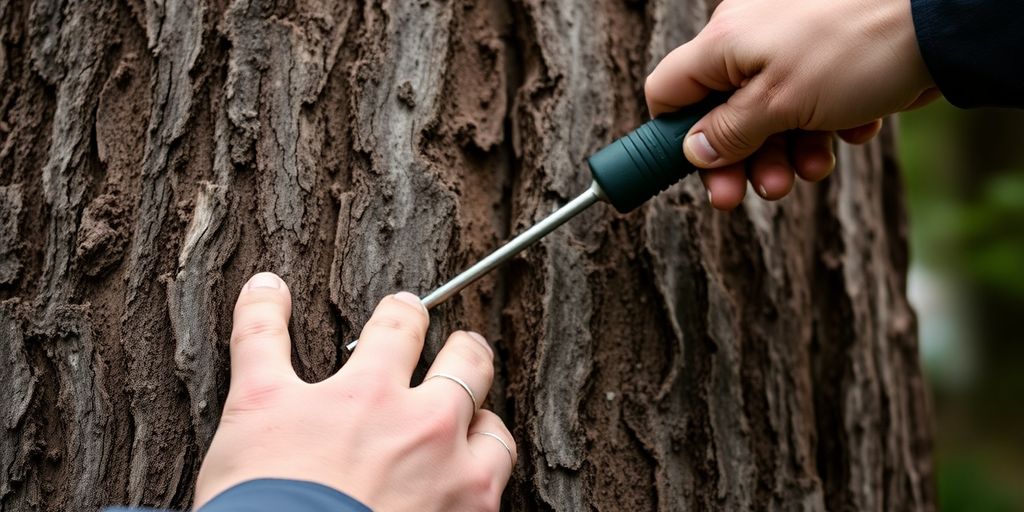
Ever look up at a big tree and wonder if it’s safe? It’s a common thought, especially with older trees or ones that have been through some rough weather. That’s where a Tree Risk Assessment comes in. Arborists use these assessments to figure out if a tree is healthy and stable, or if it might pose a danger to people or property. It’s all about being proactive and keeping things safe.
Key Takeaways
- A Tree Risk Assessment is a professional evaluation to identify potential hazards a tree might present.
- These assessments are important for preventing damage to property and keeping people safe.
- Arborists look at a tree’s structure, health, and the surrounding area during an assessment.
- Signs of disease, pests, or damage like cracks and dead branches are key things arborists check for.
- Sometimes, more advanced tools are used if a basic check isn’t enough to figure out the risk.
What is a Tree Risk Assessment?

A tree risk assessment is basically a way for arborists to figure out if a tree is likely to cause problems, like falling over and damaging something or hurting someone. It’s not just about looking at a tree and saying, “Yep, that one looks a bit wobbly.” Instead, it’s a structured process, kind of like a detective’s investigation, but for trees. Certified arborists use their knowledge to systematically check a tree’s health, its structure, and its surroundings to identify potential dangers. This helps property owners and managers understand the likelihood of a tree failing and what the consequences might be. It’s a proactive step to prevent accidents and protect property. Think of it as a professional arborist tree inspection that goes beyond the surface level.
Visual Inspection: What Arborists Look For
During a visual inspection, an arborist will carefully examine several key areas of the tree. They’re looking for anything that might indicate a weakness or a problem that could lead to failure. This includes checking for obvious signs like dead branches, cracks, or significant leaning. It’s a thorough look from top to bottom, focusing on the tree’s overall condition.
Tree Structure and Form
How a tree is shaped and how its branches are arranged tells a lot about its strength. Arborists look at things like co-dominant stems, which can be weak points, or branches that grow too close together. A tree with good structure is generally stronger and less likely to break.
Signs of Disease or Infestation
Diseases and insect infestations can seriously weaken a tree, making it more prone to failure. Arborists will look for tell-tale signs like discolored leaves, unusual growths, or visible insect activity. These issues can compromise the tree’s internal structure over time.
Root Collar and Trunk Condition
The base of the tree, where the trunk meets the roots, is a critical area. Arborists inspect the root collar for signs of decay, damage, or root problems. They also examine the trunk for cracks, cavities, or any other defects that could affect the tree’s stability.
Branch Attachment and Condition
Branches are often the first parts of a tree to fail. An arborist will assess how branches are attached to the trunk, looking for weak attachments or signs of decay. The condition of the branches themselves, such as deadwood or cracks, is also carefully evaluated.
Advanced Assessment Techniques (When Needed)
Sometimes, a simple visual inspection isn’t enough. If a tree has significant defects or is in a high-risk location, an arborist might use more advanced tools. This could involve things like specialized equipment to test the wood’s strength or even drone technology for a closer look at hard-to-reach areas. These methods provide more detailed information to help make informed decisions about the tree’s future. You can find more information about why regular tree inspections are crucial on this page.
A tree risk assessment is a systematic evaluation to identify potential hazards and determine the likelihood of a tree failing and causing harm. It involves a detailed inspection of the tree’s health, structure, and surrounding environment to manage risks effectively.
Why Are Tree Risk Assessments Important?

Trees are beautiful, they clean our air, and they make our neighborhoods nicer. But let’s be real, they can also be a real headache if they’re not healthy. When a tree gets sick or its structure weakens, it can become a hazard. That’s where a tree risk assessment comes in. It’s basically a way for arborists to figure out if a tree is likely to fail and cause problems.
Preventing Property Damage
Nobody wants a giant branch crashing through their roof or a whole tree taking out their fence. A risk assessment helps spot those potential problems before they happen. Arborists look for things like decay, weak branch attachments, or root issues that could lead to a tree falling.
- Catching these problems early can save you a ton of money on repairs.
- It’s way cheaper to prune a weak branch than to replace a car or rebuild a porch.
Ensuring Public Safety
This is a big one. If you have trees on your property, especially near sidewalks, parks, or playgrounds, you have a responsibility to make sure they aren’t going to hurt anyone. A tree that looks fine from a distance might have internal rot or structural weaknesses that an arborist can identify. They’re trained to see the signs that the average person might miss. This helps keep everyone safe, from your family to your neighbors and anyone walking by.
Protecting Your Investment
Your home is likely your biggest investment, and the trees on your property are part of that. A healthy, well-maintained landscape adds to your property’s value. Letting trees decline can lead to costly damage, but it also makes your property look less appealing. Regular assessments and proper care, like hiring a qualified Ottawa tree removal service, help maintain the health and appearance of your trees, which in turn protects your property’s value. It’s about being proactive rather than reactive when it comes to your trees.
The Process of a Tree Risk Assessment
So, you’re wondering how arborists figure out if a tree is a ticking time bomb? It’s not just a glance; it’s a systematic process aimed at identifying hazardous trees and assessing tree hazards. Think of it like a doctor giving you a check-up, but for trees. The goal is always to identify trees and make sure everything is safe.
Visual Inspection: What Arborists Look For
This is where the arborist gets up close and personal with the tree. They’re not just admiring its beauty; they’re looking for specific clues that might indicate a problem. This initial scan is pretty important for dangerous tree identification.
Tree Structure and Form
Arborists examine how the tree is growing. Is it leaning at a weird angle? Does it have a strong central leader, or is it all over the place? The way a tree is shaped and how its branches are arranged tells a lot about its stability. A tree with a poor structure is more likely to have issues down the line.
Signs of Disease or Infestation
Diseases and bugs can weaken a tree from the inside out. Arborists look for things like discolored leaves, unusual growths, or visible signs of insects. Catching these early can prevent bigger problems, like knowing if a tree poses a risk to your home. You can learn to identify common signs of tree illness to act fast and protect your trees. Early detection is key to effective treatment and preventing further damage or risks.
Root Collar and Trunk Condition
The base of the tree, where it meets the ground, is a critical area. Arborists check the root collar and trunk for any signs of rot, cracks, or damage. Issues here can affect the tree’s ability to anchor itself, making it more prone to falling.
Branch Attachment and Condition
It’s not just the main trunk that matters. Arborists also inspect the branches, looking at how they’re attached to the trunk and their overall condition. Weakly attached branches or those that are dead or decaying can break off, posing a risk.
Advanced Assessment Techniques (When Needed)
Sometimes, a simple visual check isn’t enough. If an arborist suspects a more serious problem, they might use more advanced tools. This could involve things like resistance drilling to check the wood’s strength or even tissue sampling. These methods help get a clearer picture when assessing tree hazards and are part of a thorough tree safety evaluation.
When we check the health of a tree, we follow a careful process. First, we look at the tree’s overall condition and its surroundings. Then, we identify any potential problems that could make it unsafe. Finally, we figure out the best way to handle any risks. Want to know more about how we keep your trees safe? Visit our website at Green Thumb Tree Specialists to learn about our tree risk assessment process.
Keeping Your Trees Safe and Sound
So, we’ve walked through how arborists figure out if a tree is a potential problem. It’s not just about guessing; they use specific methods and look at things like how likely a tree is to fail and what could happen if it does. They check for dead branches, weak spots, and root issues. Sometimes a quick look is enough; other times, they need to get more technical. Knowing this stuff helps you understand why an arborist might suggest pruning, cabling, or even removing a tree. It’s all about keeping everyone and everything around it safe, while also taking care of our green friends.
Frequently Asked Questions
What exactly is a tree risk assessment?
A tree risk assessment is like a doctor’s check-up for trees. Arborists, who are tree experts, carefully look at a tree to see if it’s healthy and strong, or if it has problems that could make it dangerous. They check for things like weak branches, diseases, or root issues that might cause the tree to fall and hurt someone or damage property.
Why is it important to have trees checked?
These assessments are super important because they help keep everyone safe! By finding trees that might be a danger, we can fix them before they cause harm. It’s also about protecting your house, cars, and anything else the tree might fall on. Think of it as preventing a big mess and keeping your property safe.
What do arborists look for during an assessment?
Arborists look at a bunch of things. They check the tree’s shape and how it’s growing, look for any signs of bugs or sickness, and examine the roots and trunk for cracks or rot. They also pay close attention to the branches – if they’re dead, weak, or attached poorly, they can be risky.
When should I be worried about a tree?
If a tree is leaning a lot, has big cracks, dead branches hanging down, or if you see mushrooms growing on the trunk or roots, it’s a good idea to get it checked. Also, if a tree is very old, has been damaged by storms, or is near a house or play area, it’s wise to have it assessed regularly.
How do arborists decide if a tree is risky?
The risk is figured out by looking at two main things: how likely it is that the tree or a part of it will fall, and what kind of damage would happen if it did. Arborists use a system to rate both of these. If a tree is very likely to fall and could cause a lot of damage, the risk is high.
What happens if a tree is found to be dangerous?
Sometimes, if a tree is a big danger, the best thing to do is remove it. But often, arborists can help the tree by trimming off dead or weak branches, or by adding supports like cables or braces to make it stronger. They might also suggest moving things away from the tree’s fall zone.
How often should I get my trees assessed?
It’s a good idea to have trees checked every year or two, especially if they are large or near buildings. You should also get an assessment done if you notice any sudden changes in the tree’s health, like lots of leaves falling off unexpectedly or new cracks appearing.
Can I do a basic check myself, or should I always hire a professional?
Yes, you can! Look for arborists who are certified by professional organizations. These folks have special training and know the right ways to check trees safely and accurately. Asking for their credentials is a good step in choosing the right person for the job.